First Words.

Philadelphia was writing before the world was listening. Names on walls from North Philly to the zoo, the Sound of Philadelphia on every radio in America, rhyming DJs on the AM dial, and, in 1979, the city's first words on wax.

Philly Hip Hop History1965 to 1979

Now playingFirst Words

Before it had a name.

Before anyone called it hip hop, Philadelphia had the writers, the records, the rhyming radio DJs and the party DJs.

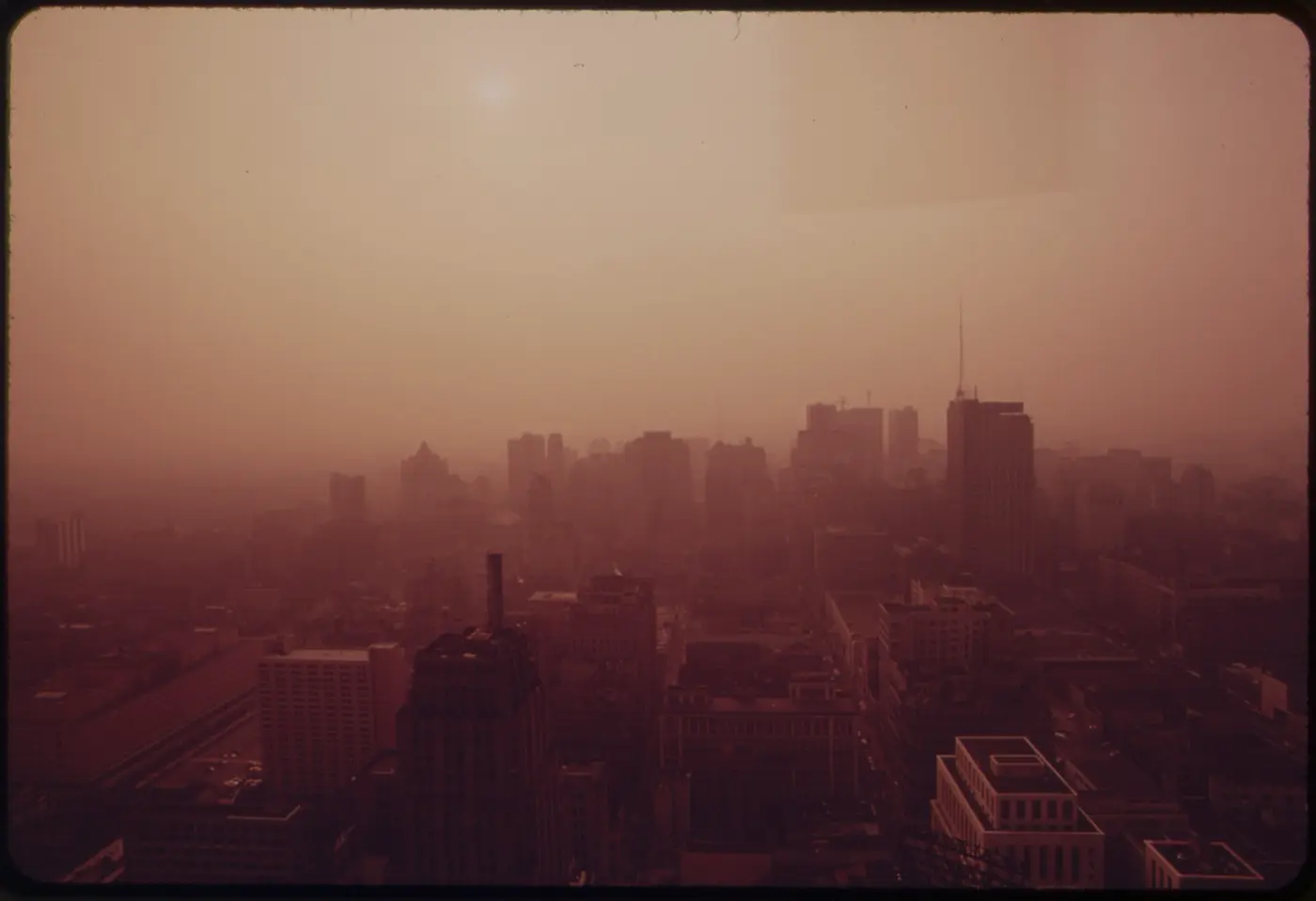
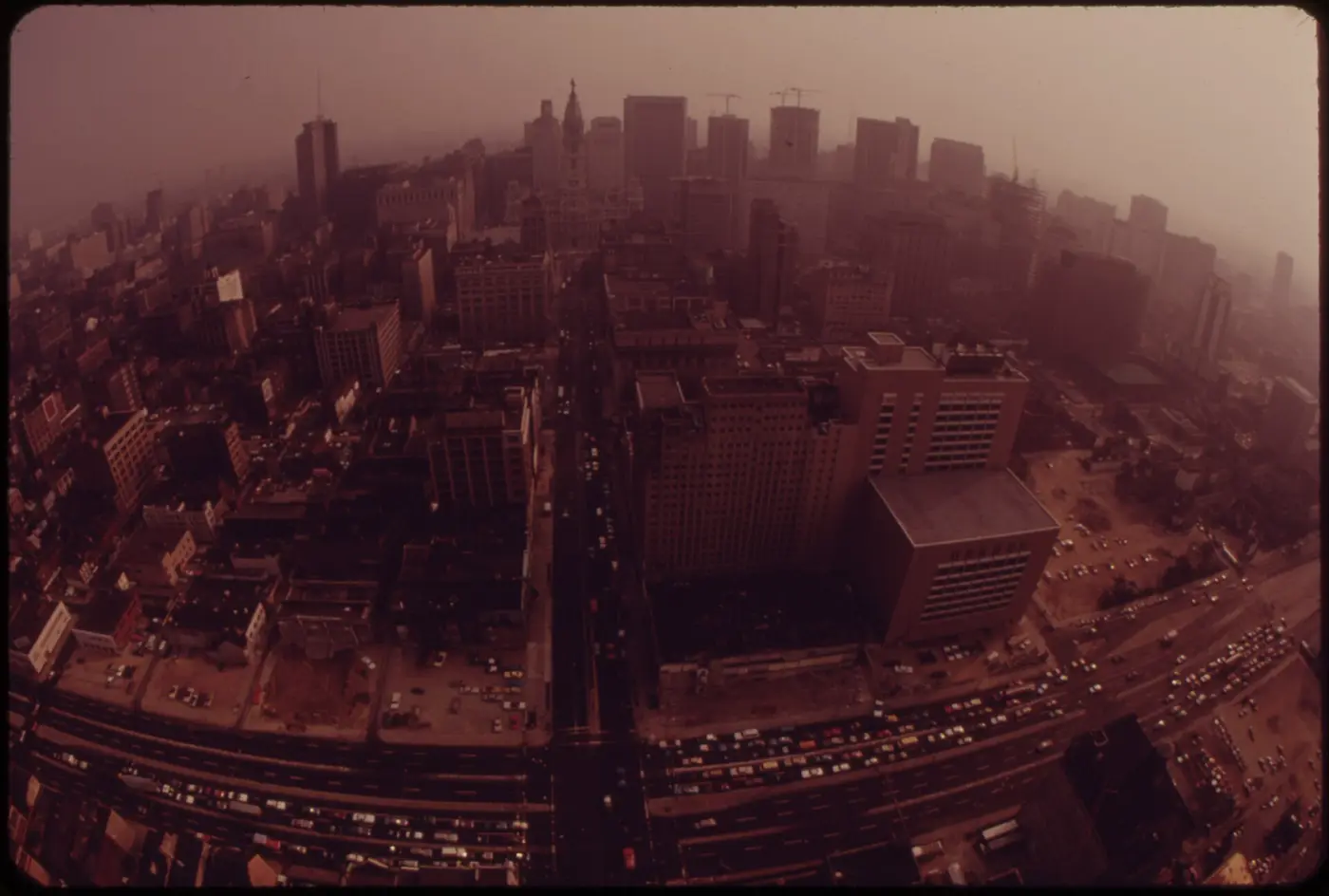
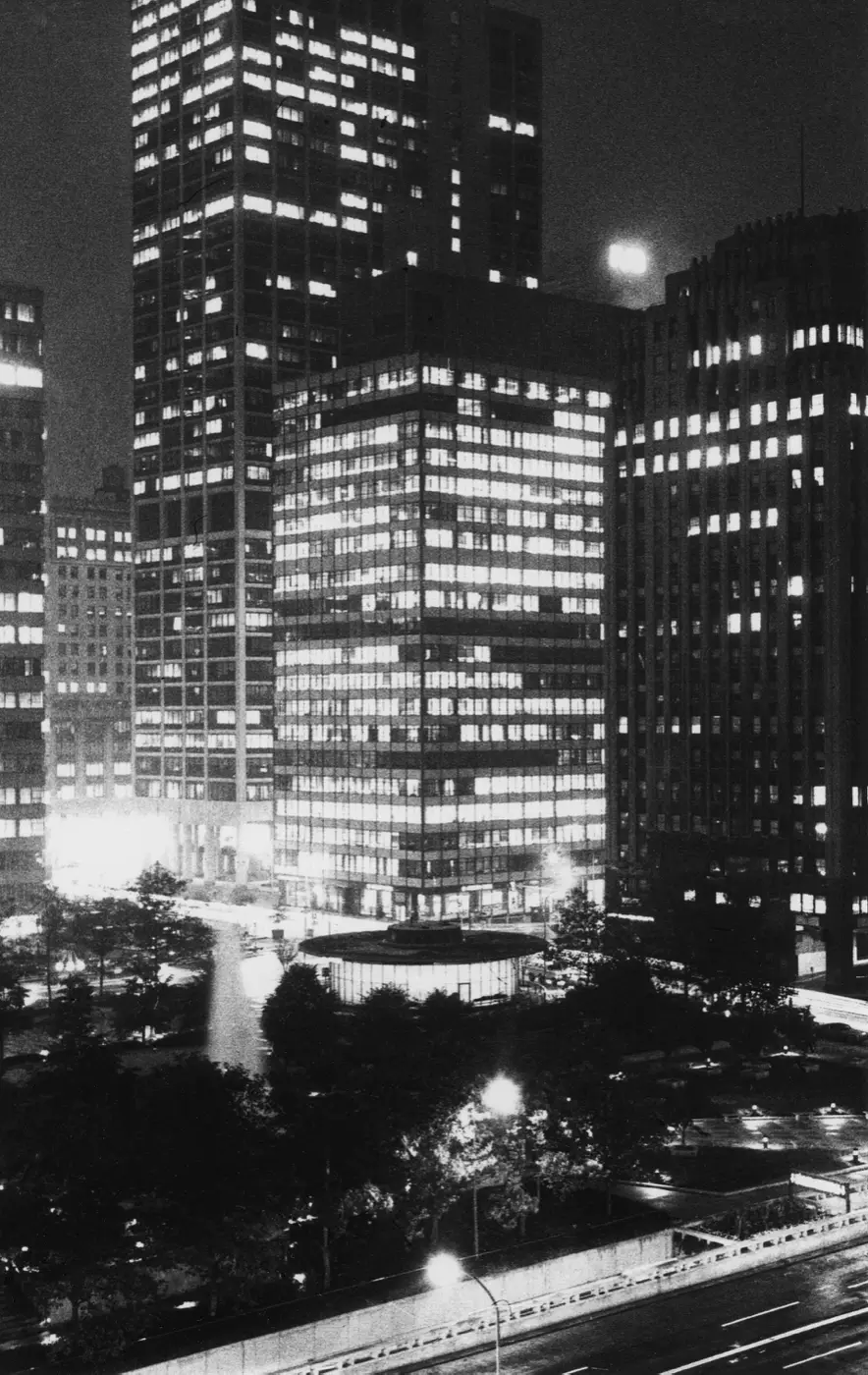
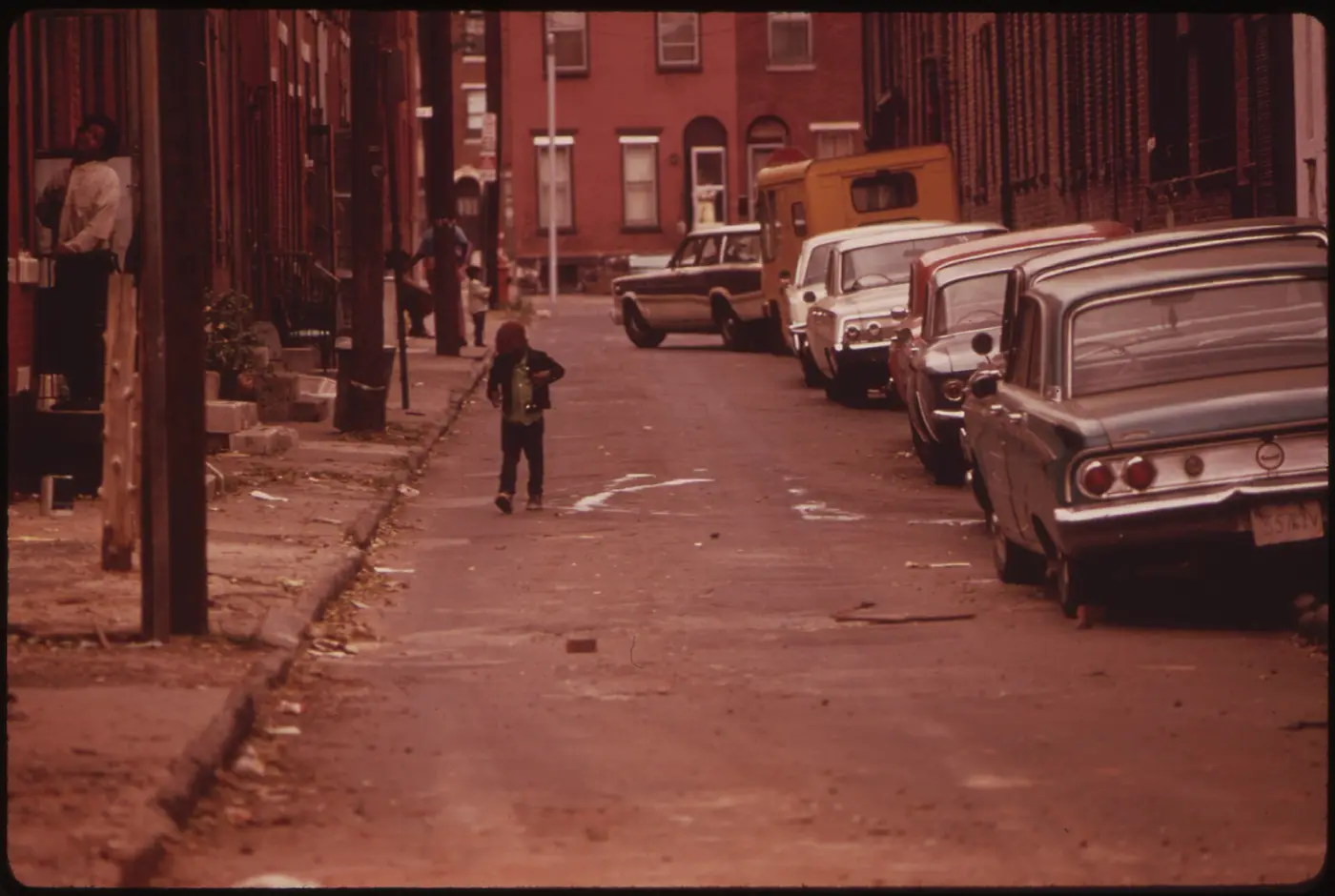
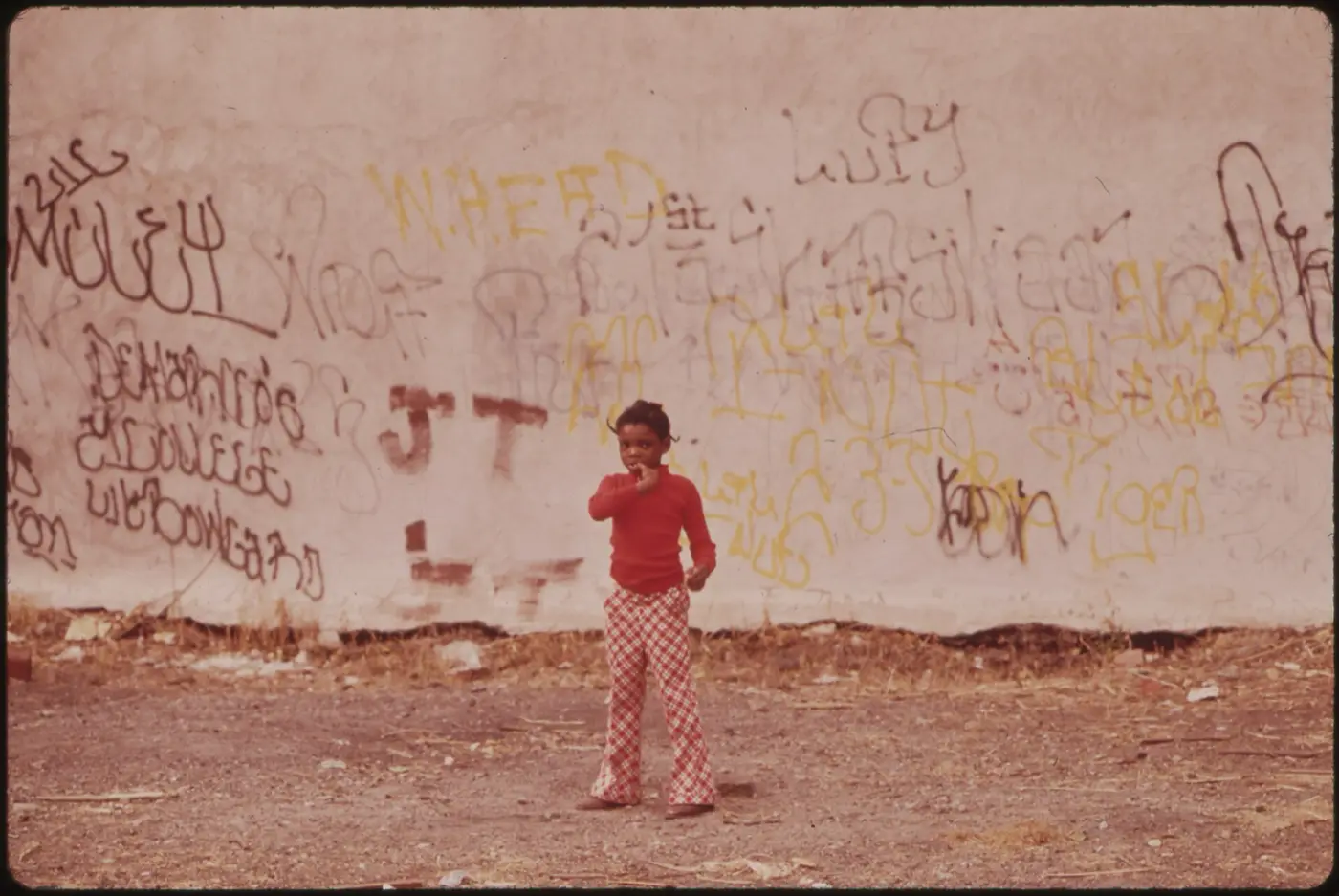
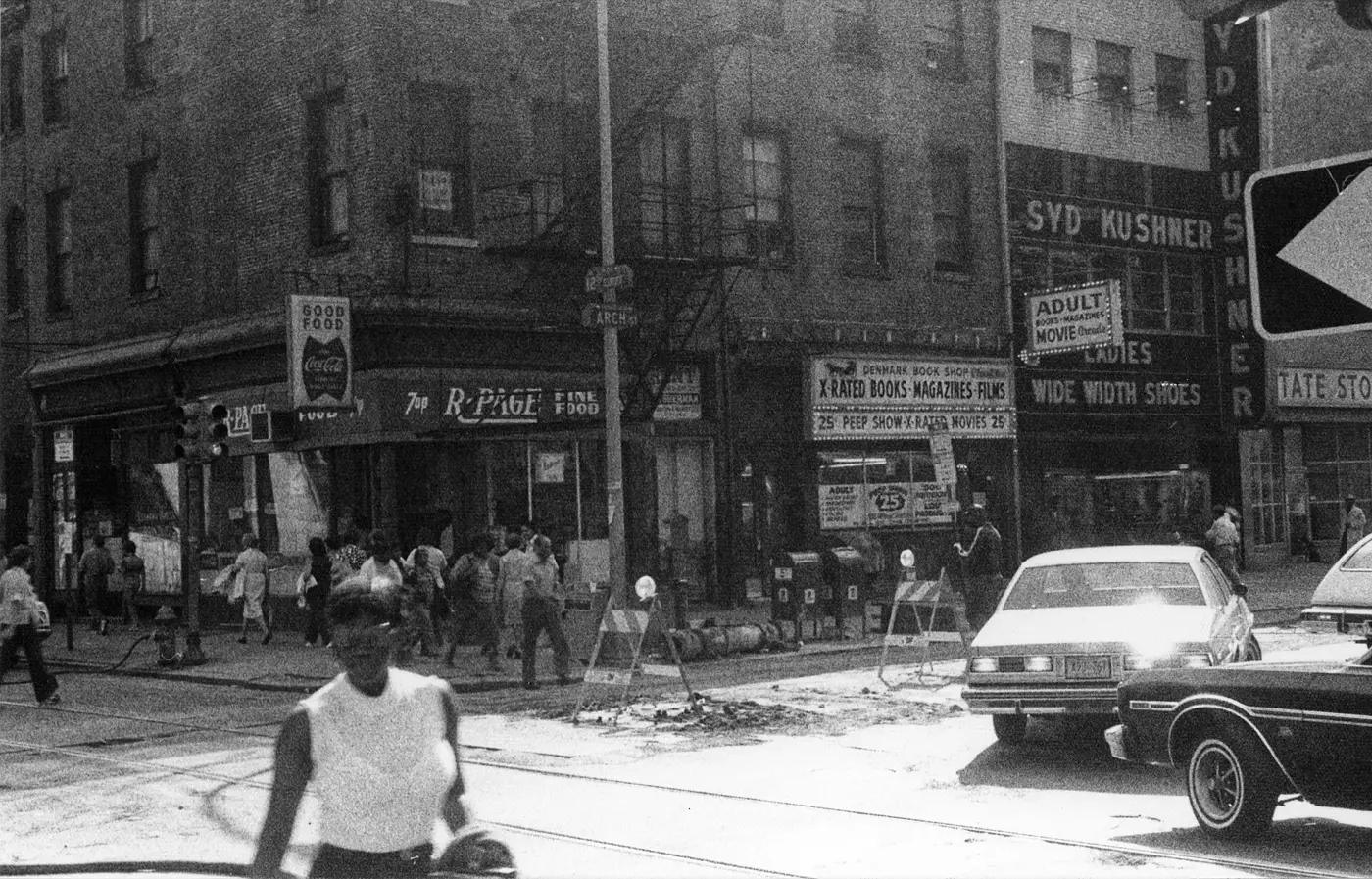
It was a city of row houses, shrinking factories and hard politics, where youth gangs were a crisis and police counted more than 200 of them during the decade. Out of those same blocks came kids writing their names on walls, a soul sound that rivaled Motown, radio DJs rhyming between records, and party DJs working parks and basements.

When the sound came together up the turnpike in the Bronx, Philadelphia already spoke the language. This chapter is how the city got ready.

1965–71

Writers

Cornbread writes his name on the city.

Brewerytown and Strawberry Mansion, North Philly

At 12, Darryl McCray was sent to the Youth Development Center, where a cook nicknamed him after he kept asking for cornbread. He started writing the name there. Back at Strawberry Mansion Junior High, he wrote "Cornbread Loves Cynthia" across North Philadelphia to get a girl's attention, and kept going.

In 1971 a newspaper reported that "Cornbread" had been shot dead. It was another young man. McCray answered by climbing into the elephant enclosure at the Philadelphia Zoo and painting "Cornbread Lives" on its side. He is widely credited as the first modern graffiti writer.

Writers

A whole generation picks up the can.

North Philadelphia

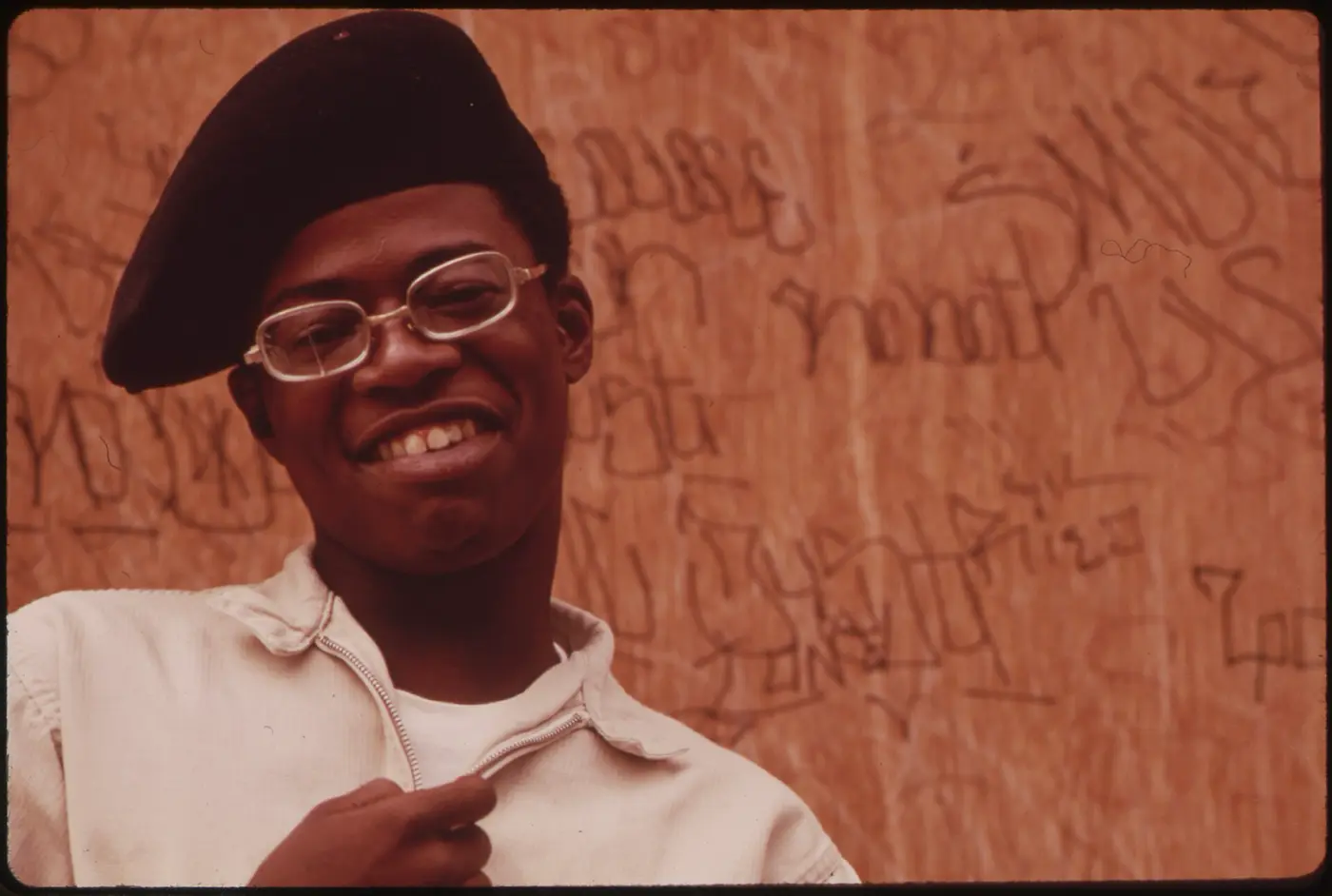
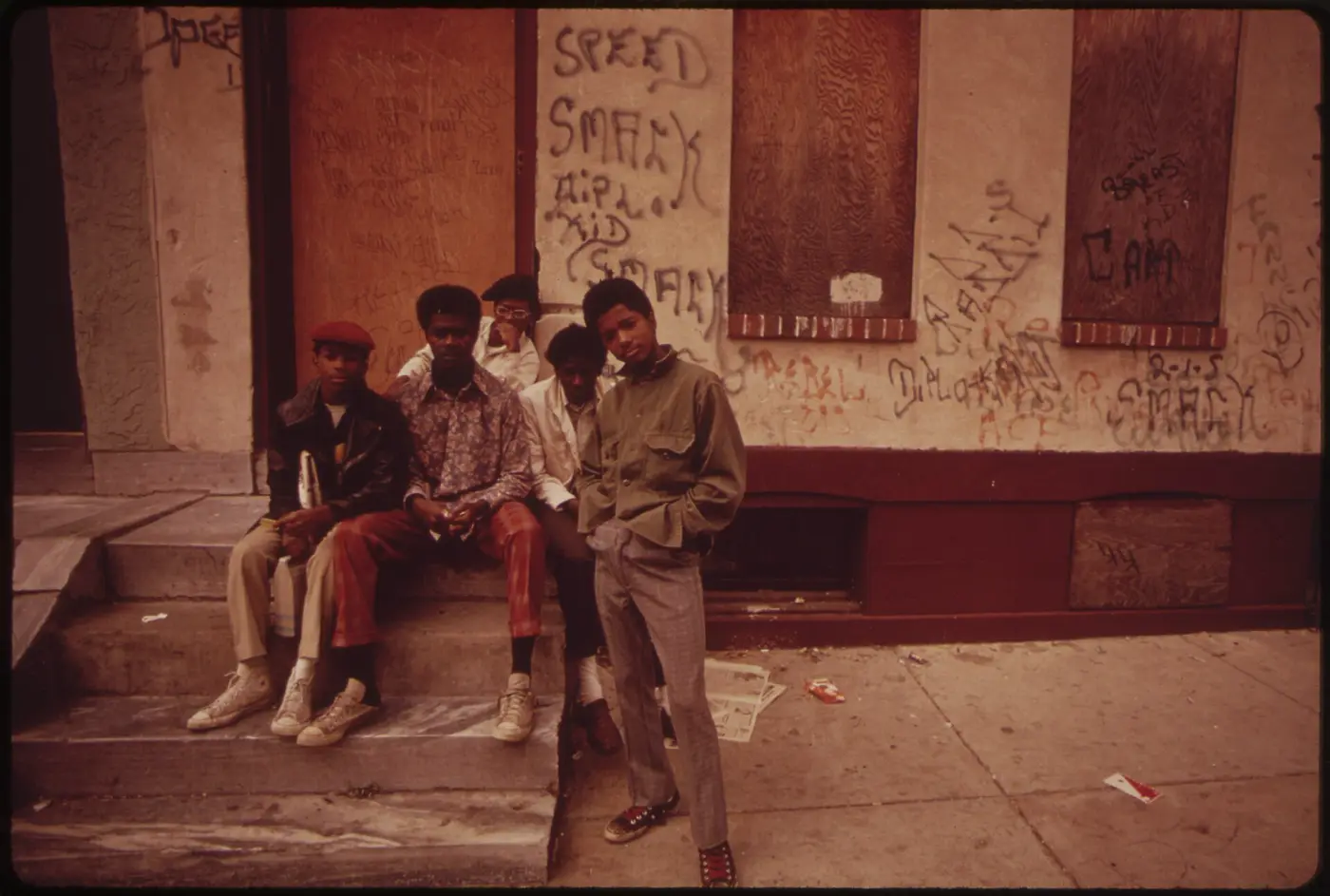
With Cool Earl, Kool Klepto Kidd and others, writing became a North Philly youth culture by the end of the 1960s: names as public art and private fame, tracked from neighborhood to neighborhood. The form traveled to New York, where subway writers took it around the world.
Writing came first.

Before rap, before scratching, the culture's first element was a name in paint. These are some of the Philadelphia writers who put it there.

  • Cornbread
  • Cool Earl
  • Kool Klepto Kidd
  • Cornbread Loves Cynthia
  • Cornbread Lives

1971–72

Label

Philadelphia International opens.

309 S. Broad Street

Kenny Gamble, Leon Huff and Thom Bell launch Philadelphia International Records with CBS distribution, in the former Cameo-Parkway building on South Broad. They cut most of their records at Joe Tarsia's Sigma Sound Studios on North 12th Street, open since 1968, with the house band MFSB: drummer Earl Young, bassist Ronnie Baker and guitarist Norman Harris under strings and horns.

Record

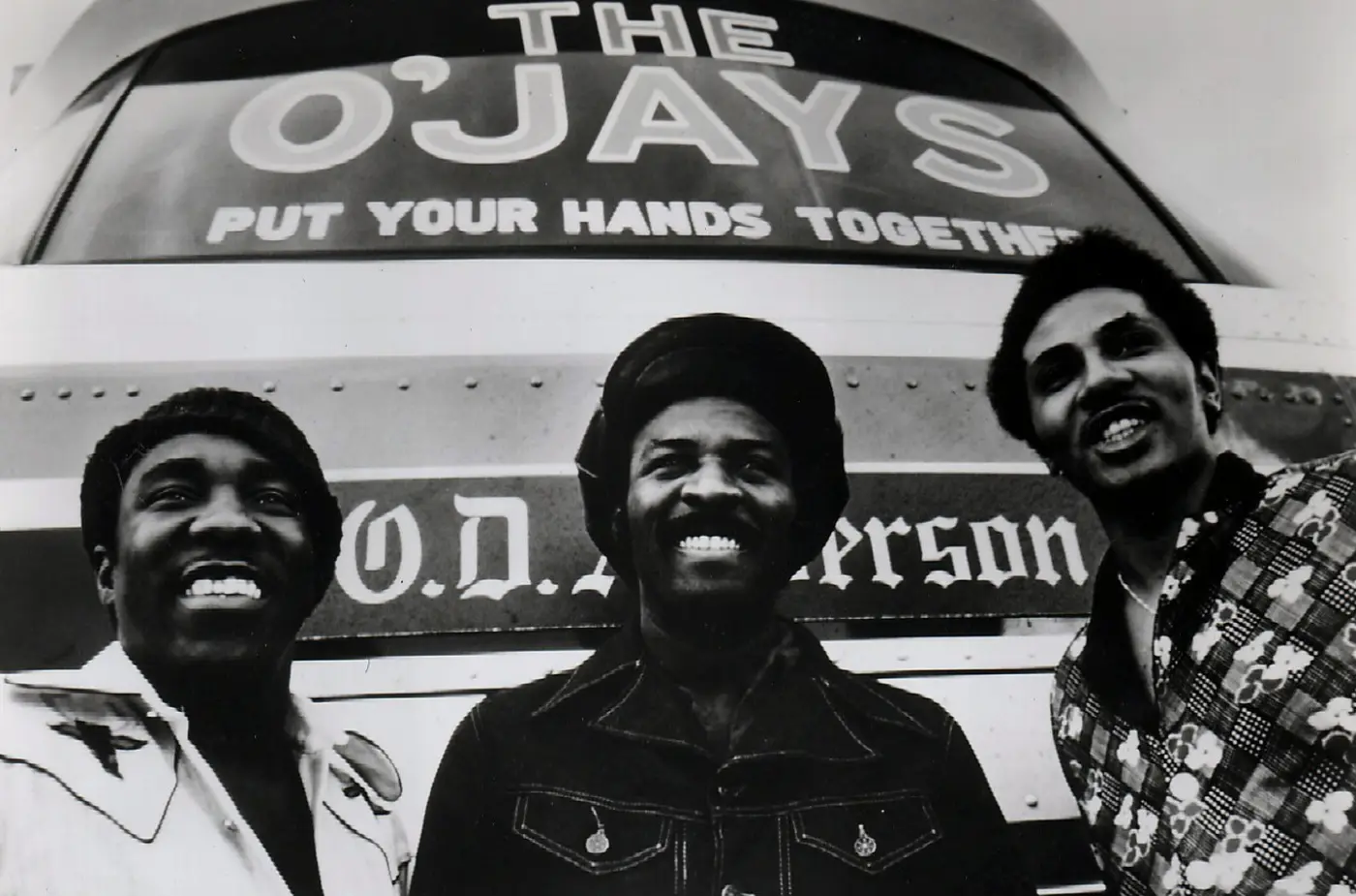
"Back Stabbers" and "Love Train."

The O'Jays, 1972

The O'Jays' first Philadelphia International single reaches No. 1 R&B and No. 3 on the Hot 100, and "Love Train" goes to No. 1 early the next year. Billy Paul's "Me and Mrs. Jones" spends three weeks at No. 1 and wins a Grammy.

Listen to Back Stabbers on Spotify (opens in a new tab)

Radio

WDAS takes on the ratings.

WDAS 1480 AM and 105.3 FM

WDAS-FM turns to soul in 1971 and backs the label's records. In 1972 its general manager sues Arbitron on behalf of every Black station over the undercount of Black listeners; Arbitron settles and changes its methods. That same October, Soul Train goes into syndication, and Philadelphia is one of its first eight cities.

1973

Record

"Love Is the Message."

MFSB, Sigma Sound

The house band steps out under its own name. Recorded at Sigma, "Love Is the Message" stretches into long instrumental passages, and DJs learn to ride them; it stays a DJ record for years.

Listen to Love Is the Message on Spotify (opens in a new tab)

Record

The hi-hat that made disco.

Harold Melvin & the Blue Notes

On "The Love I Lost," Earl Young puts his open hi-hat and four-on-the-floor kick right up front. It reaches No. 1 R&B and is cited as one of the first disco records. The dance beat hip hop's DJs inherited starts here.

Up the turnpike

A back-to-school party in the Bronx.

1520 Sedgwick Avenue, the Bronx · August 11, 1973

DJ Kool Herc plays his sister's party and stretches the break, the part of the record where the drums take over, so the dancers can go off. The date is the one the culture celebrates as hip hop's birthday. Philadelphia was ninety miles away and already listening.

1974

Record

The city's name goes to No. 1.

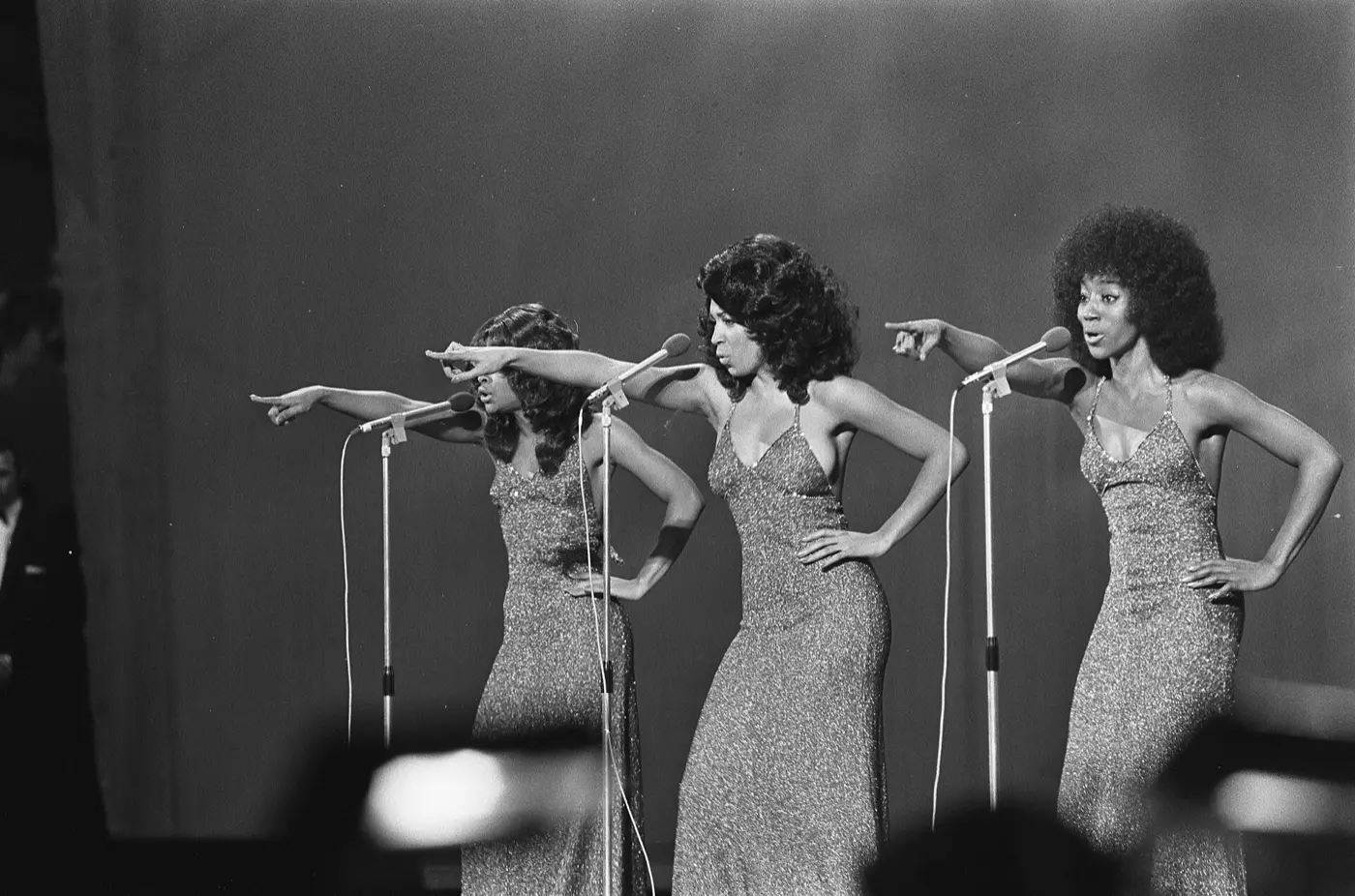
MFSB featuring The Three Degrees

Written as the theme for Soul Train, "TSOP (The Sound of Philadelphia)" tops the Billboard Hot 100, the first TV theme to do it, and wins a Grammy. Every Saturday, a Philly record opens the most important Black music show on television. The sound has a name, and the name is the city's.

Listen to TSOP on Spotify (opens in a new tab)

The city

"No Gang War in '74."

House of Umoja, West Philadelphia · January 1, 1974

Falaka and David Fattah had taken their son's gang into their home, the House of Umoja. On New Year's Day 1974, at their call, hundreds of gang members meet and sign the Imani pledge: no gang war in '74. Dozens of gangs sign on over the year, and gang killings fall over the next three. The parties of the next decade happen in a city its young people made safer themselves.

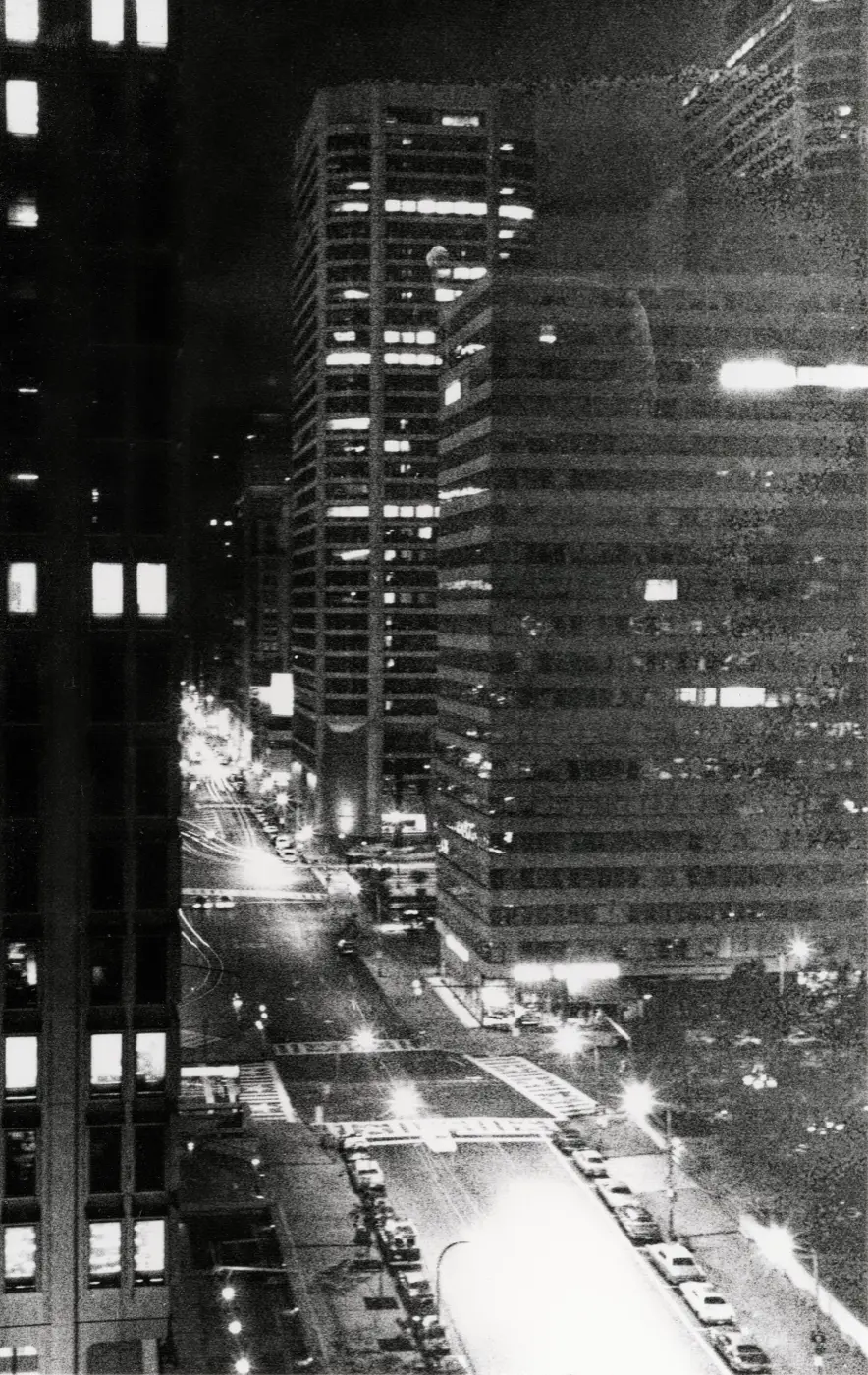
The Broad Street line.

The Sound of Philadelphia ran down one avenue. Ride it south.

  1. The Uptown Theater2240 N. Broad. Georgie Woods' revues from 1957; shows ended in 1978.
  2. Sigma Sound212 N. 12th, a block off Broad. Where the records were cut.
  3. Philadelphia International309 S. Broad. The label, until a 2010 fire; torn down in 2015.
  4. The SpectrumSouth Broad, at the end of the line. The arena the next decade would fill.

Schematic, not to scale.

1975–78

The DJs

Park jams, rec centers, church basements.

North and West Philly

Disco fills the clubs, but in the neighborhoods the party is wherever a DJ can plug in. Party veterans remember most of it happening in church basements, rec centers and parks. Around 1975 a ten-year-old named Jeffrey Townes, later DJ Jazzy Jeff, spends a block party sitting beside the DJ instead of dancing.

Black-owned Carman Gardens on Germantown Avenue and the Elmwood rink in Southwest Philly keep young people skating to the same records.

Radio

The radio rhymers.

WHAT and WDAS, on the AM dial

Long before anyone rapped on a record, Philly radio DJs rhymed on the air. Jocko Henderson talked in rhyme through his "Rocket Ship Show" from 1954 to 1964, and is widely named as a forerunner of the MC. Georgie Woods, on WDAS from 1953, mixed music with civil-rights talk, chartered buses to the 1963 March on Washington and promoted the revues at the Uptown.

Record

The first 12-inch you could buy.

Sigma Sound · May 1976

Double Exposure's "Ten Percent," a Philadelphia group's record cut at Sigma Sound and stretched out by DJ Walter Gibbons, is sold to the public on a 12-inch single, the first ever. The format DJs would cut and scratch for the next fifty years starts with a Philly record.

Record

Philly burns down the disco.

The Trammps

A Philadelphia group cuts one of disco's biggest anthems. The city's studios and players are behind a huge share of the dance records of the decade.

Listen to Disco Inferno on Spotify (opens in a new tab)

The raw material.

Hip hop was built out of records, and a lot of them were made in Philadelphia. Thom Bell and Linda Creed's "People Make the World Go Round" for the Stylistics turns up under Naughty by Nature, Westside Connection and Scarface in the 1990s. The Delfonics' "Ready or Not Here I Come" becomes the Fugees' "Ready or Not" and a Missy Elliott single. The strings and drums cut on North 12th Street in the 1970s became raw material for the next generation.

  • Gamble & Huff
  • Thom Bell
  • MFSB
  • The O'Jays
  • Harold Melvin & The Blue Notes
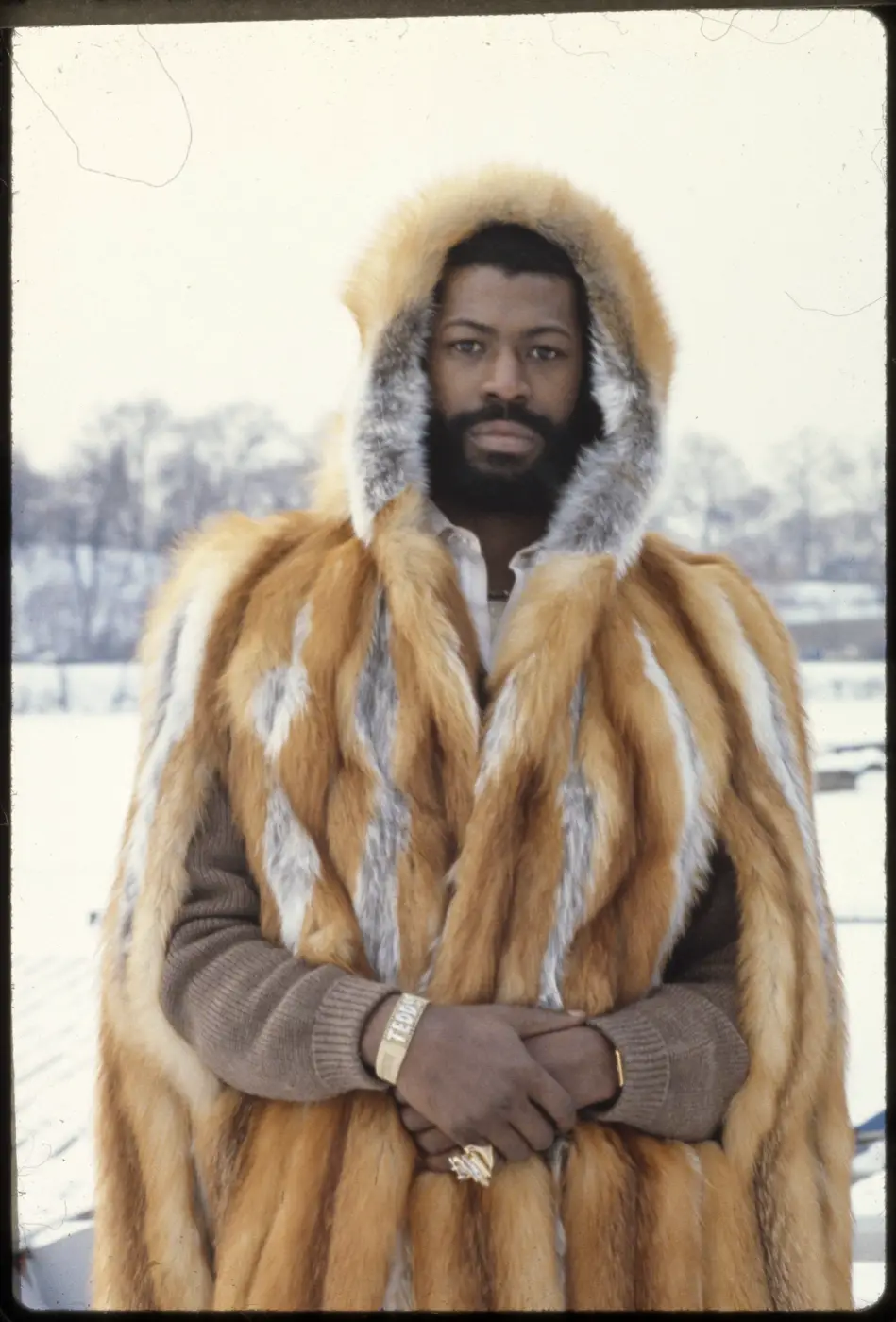
  • Teddy Pendergrass
  • The Stylistics
  • The Delfonics
  • Billy Paul
  • The Three Degrees

1979

The city

Black Music Month starts in Philly.

The White House · June 7, 1979

Kenny Gamble and broadcaster Ed Wright founded the Black Music Association in 1978 and proposed a month for Black music. On June 7, 1979, President Carter hosts the association at the White House and recognizes June as Black Music Month. Broadcaster Dyana Williams, who moves to Philadelphia the next year, is credited as a co-creator.

Record

"Ain't No Stoppin' Us Now."

Sigma Sound

Recorded at Sigma, McFadden & Whitehead's single reaches No. 1 R&B and No. 13 on the Hot 100 in the spring, and is called a new Black national anthem.

Listen to Ain't No Stoppin' Us Now on Spotify (opens in a new tab)

Record

Jocko puts the patter on wax.

Philadelphia International

After decades of rhyming on the radio, Jocko cuts "Rhythm Talk" for Philadelphia International, backed with an instrumental of "Ain't No Stoppin' Us Now": the radio rhymer's style, finally on a record.

Listen to Rhythm Talk on Spotify (opens in a new tab)

Up the turnpike

Rap hits the radio.

Sugar Hill Records, Englewood, New Jersey

"Rapper's Delight" takes rap from the parks to the pop charts in the fall of 1979. Labels everywhere start looking for rappers, and Philadelphia already has them.

Listen to Rapper's Delight on Spotify (opens in a new tab)

Record

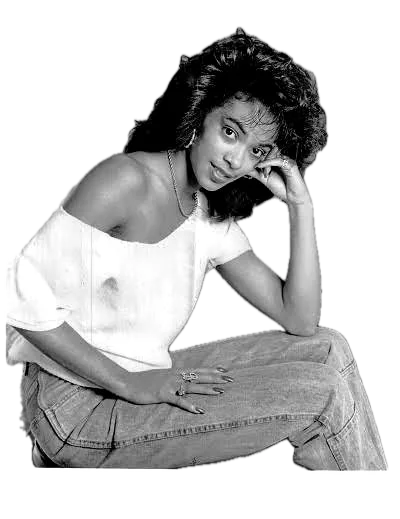
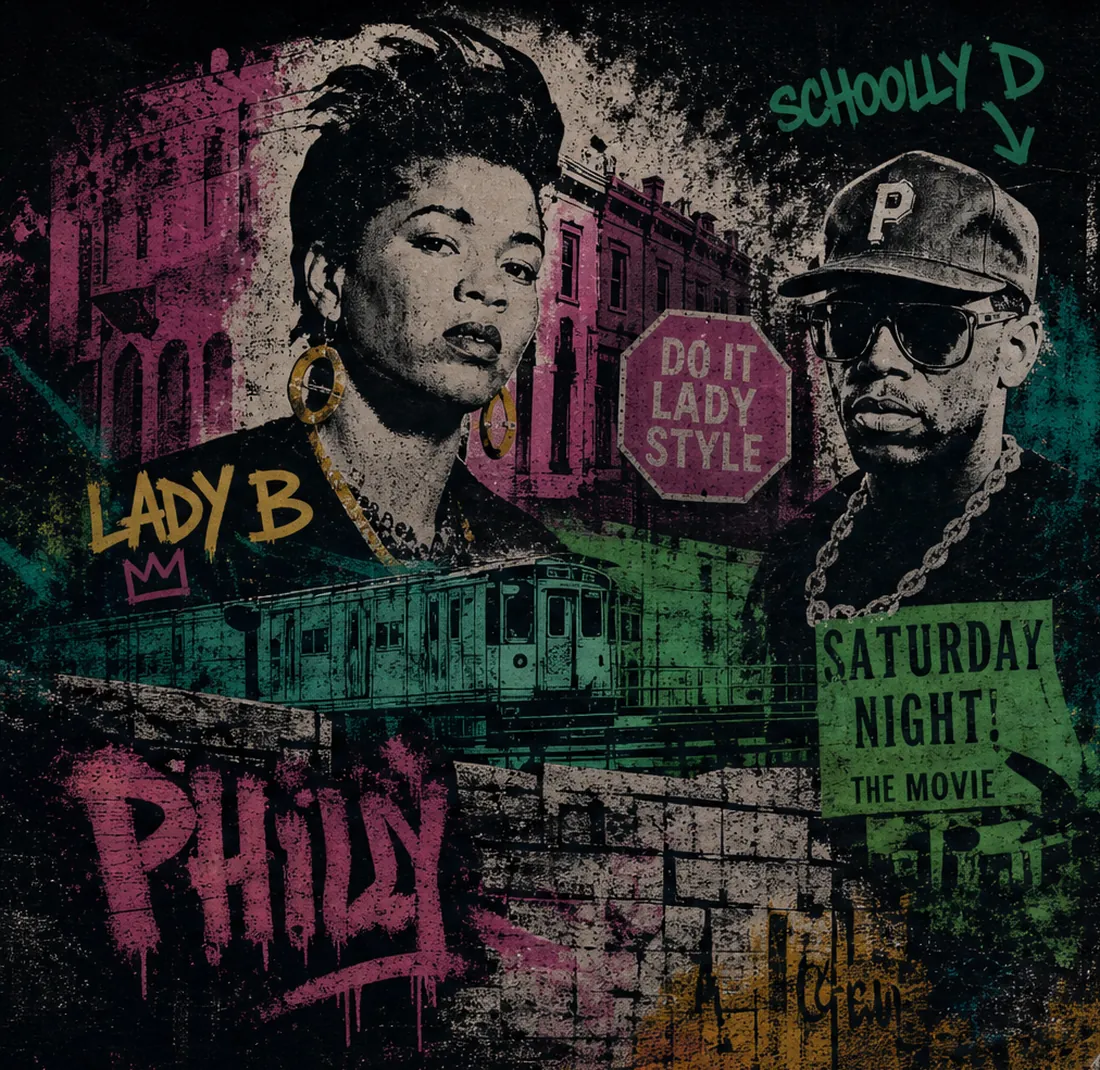
Lady B: among Philly's first rap records.

TEC Records, Philadelphia

Wendy Clark of Wynnefield, an Overbrook High student who had just started on the radio, heard "Rapper's Delight" in New York and went home to record "To the Beat Y'All" as Lady B for the local TEC label. Sugar Hill reissued it in 1980. It is widely credited as the first single by a solo woman rapper, and with Jocko's "Rhythm Talk" it is one of Philadelphia's first two rap records.

This record isn't on any streaming service. If you have a copy, the archive wants to hear from you.

Still on the mic: Lady B on stage, May 2026

Radio

WDAS changes hands.

November 1979

WDAS, the city's leading Black station, is sold to the Black-owned Unity Broadcasting Network.

Roll call.

More of the people who were there at the start. From the founder's own list of Philly names. Know someone we missed? Tell us.

DJs & radio

MCs & rappers

Flip the record.

The words are on wax. In the 1980s Philadelphia's DJs take over, a West Philly record changes the map, and the first rap Grammy comes home.

Next1980s · City of DJsOut now

Sources & corrections

Show

Compiled from oral-history interviews with the people who were there and from published histories and discographies. History told by the culture is argued about by the culture: if you remember it differently, or you have the flyer, the tape or the photo, tell us or add it to the archive.

Sources (68)

  1. "Cornbread (graffiti artist)," Wikipedia, en.wikipedia.org
  2. Sandra Shea, "Cornbread is not dead," Philadelphia Daily News (Inquirer.com), Sept. 25, 2014, inquirer.com
  3. "Cornbread, the first graffiti artist, shows new work at Philadelphia gallery," WHYY, whyy.org
  4. "The Graffiti Art Movement in Philadelphia," Picturing Black History, picturingblackhistory.org
  5. "Graffiti in the United States," Wikipedia, en.wikipedia.org
  6. "Wall Writers movie takes a sympathetic look at graffiti's origins," Artblog, June 2016, theartblog.org (seen via search summary); film: *Wall Writers*, dir. Roger Gastman, 2016.
  7. "History Part One," @149st, at149st.com (seen via search summary)
  8. Elizabeth Wellington, "Hip-hop was born in New York but grew up in Philly," Philadelphia Inquirer, Aug. 3, 2023, inquirer.com
  9. "Lady B," Wikipedia, en.wikipedia.org
  10. "Jocko Henderson," Wikipedia, en.wikipedia.org
  11. Cornell University Library, Hip Hop Collection, "Rhythm talk; Ain't no stoppin' us now (instrumental) / Jocko, 1979," archives.library.cornell.edu
  12. "Philadelphia International Records," Wikipedia, en.wikipedia.org
  13. "Sigma Sound Studios," Wikipedia, en.wikipedia.org
  14. "TSOP (The Sound of Philadelphia)," Wikipedia, en.wikipedia.org
  15. "Love Is the Message (MFSB song)" and "Love Is the Message (MFSB album)," Wikipedia, en.wikipedia.org, en.wikipedia.org
  16. "MFSB," Wikipedia, en.wikipedia.org
  17. "Gamble and Huff," Wikipedia, en.wikipedia.org
  18. "Me and Mrs. Jones," Wikipedia, en.wikipedia.org
  19. "Love Train," Wikipedia, en.wikipedia.org
  20. "Back Stabbers (song)," Wikipedia, en.wikipedia.org
  21. "The Love I Lost," Wikipedia, en.wikipedia.org
  22. "Earl Young (drummer)," Wikipedia, en.wikipedia.org; "Earl Young disco beat interview," Spin, May 2024, spin.com
  23. "Ten Percent (song)," Wikipedia, en.wikipedia.org
  24. "Salsoul Records," Wikipedia, en.wikipedia.org
  25. "Disco Inferno" and "The Trammps," Wikipedia, en.wikipedia.org, en.wikipedia.org
  26. "Ain't No Stoppin' Us Now," Wikipedia, en.wikipedia.org
  27. "African-American Music Appreciation Month" and "Dyana Williams," Wikipedia, en.wikipedia.org, en.wikipedia.org; "Black Music Month 101: How It All Started," Power 105.1 (iHeart), June 22, 2021, power1051.iheart.com
  28. Jimmy Carter Library / White House Staff Photographers, "Black Music Association Concert," June 7, 1979 (via DPLA/Wikimedia Commons), commons.wikimedia.org
  29. "Radio DJs," Encyclopedia of Greater Philadelphia, philadelphiaencyclopedia.org
  30. "WDAS-FM," Wikipedia, en.wikipedia.org
  31. "WDAS (AM)," Wikipedia, en.wikipedia.org
  32. "WHAT (AM)," Wikipedia, en.wikipedia.org
  33. "WUSL," Wikipedia, en.wikipedia.org
  34. "WRNB," Wikipedia, en.wikipedia.org
  35. "Georgie Woods," Wikipedia, en.wikipedia.org; Broadcast Pioneers of Philadelphia, "Georgie Woods," broadcastpioneers.com
  36. "Uptown Theater (Philadelphia)," Wikipedia, en.wikipedia.org
  37. "Soul Train," Wikipedia, en.wikipedia.org
  38. "Frank Rizzo," Wikipedia, en.wikipedia.org
  39. "MOVE (Philadelphia organization)," Wikipedia, en.wikipedia.org
  40. "Homicides dropped after Philly gangs signed a 1974 peace pact. What can we learn from it?" Philadelphia Tribune, phillytrib.com
  41. "Former Gang Members Reunite To Celebrate Ceasefire That Ended Gang Wars 40 Years Ago," CBS Philadelphia, Jan. 1, 2014, cbsnews.com
  42. Menika Dirkson, "Philadelphia's Fight Against Gun Violence, Poverty, and Crime," Black Perspectives (AAIHS), Aug. 31, 2023, aaihs.org
  43. "Safe Streets, Inc.: The 'Hustle' to End Black Gang Violence in Philadelphia, 1969–1976" (academic paper), readkong.com (seen via search summary). [43b] "Graffiti problem: how Philadelphia is coping with it," *Police Chief*, July 1972 (NCJRS abstract), ojp.gov (seen via search summary)
  44. "Mural Arts Philadelphia," Wikipedia, en.wikipedia.org
  45. "Black History Month: Historic skating rink celebrated while new plans for site unveiled," FOX 29 Philadelphia, Feb. 22, 2025, fox29.com
  46. "Southwest Philadelphia: Elmwood Roller Rink Alive and … Skating," Philadelphia Neighborhoods (Temple University), Mar. 8, 2014, philadelphianeighborhoods.com
  47. "Philadanco," Wikipedia, en.wikipedia.org
  48. "DJ Kool Herc," Wikipedia, en.wikipedia.org
  49. "Rapper's Delight," Wikipedia, en.wikipedia.org
  50. "DJ Jazzy Jeff," Wikipedia, en.wikipedia.org
  51. "DJ Cash Money," Wikipedia, en.wikipedia.org
  52. "Schoolly D," Wikipedia, en.wikipedia.org
  53. "Teddy Pendergrass," Wikipedia, en.wikipedia.org
  54. "Grover Washington Jr.," Wikipedia, en.wikipedia.org.
  55. "First Choice (group)," Wikipedia, en.wikipedia.org
  56. "Instant Funk," Wikipedia, en.wikipedia.org
  57. "Lady Marmalade," Wikipedia, en.wikipedia.org
  58. "Franklin Music Hall" (Electric Factory history), Wikipedia, en.wikipedia.org
  59. "Razing begins at music site," Philadelphia Inquirer, Apr. 19, 2015, inquirer.com; "Legendary Philadelphia International Records building to be demolished," SoulTracks, soultracks.com
  60. "People Make the World Go Round," Wikipedia, en.wikipedia.org
  61. "Ready or Not Here I Come (Can't Hide from Love)," Wikipedia, en.wikipedia.org
  62. "Thom Bell," Wikipedia, en.wikipedia.org
  63. "Legionnaires' disease," Wikipedia, en.wikipedia.org
  64. "United States Bicentennial," Wikipedia, en.wikipedia.org
  65. "The Stylistics," Wikipedia, en.wikipedia.org
  66. "From Lady B to Mac Money, meet the women who rocked Philly hip-hop in the 80s," WXPN, xpn.org (seen via search summary); "The Jump Off: 21 rap records that dropped in 1979," Rock The Bells, rockthebells.com
  67. "Frank Holiday remembers," WXPN, xpn.org (site blocked automated reading; content seen only via search summary ⚠️)
  68. "Sigma Studios, birthplace of the Philly Sound, wins spot on city's historic register," WHYY, whyy.org

Photo credits for this chapter are on the credits page.

Up next 1980s · City of DJs