Hip Hop HistoryPhiladelphia
Five decades of the culture, cut like a mix. The city that wrote on walls before rap had a name, scratched first, won the first Grammy, and never stopped setting the tempo.

 Donate

The first cultural institution dedicated to Philadelphia's hip hop history. Preserving the legacy, empowering the community, and opening the archive to everyone.
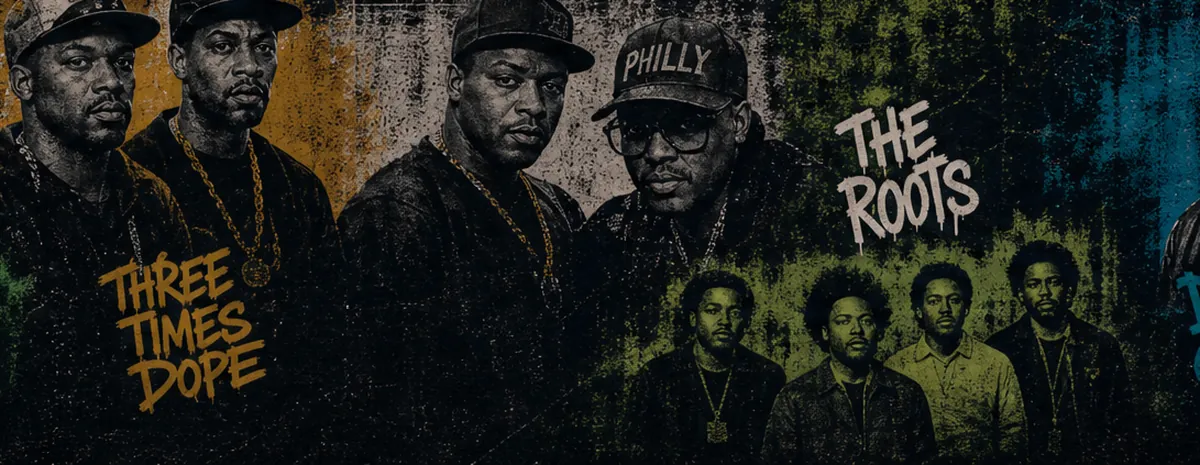
There is no website, no museum, no institutional record dedicated to Philadelphia's hip hop history. Lady B. Schoolly D. Jazzy Jeff and The Fresh Prince. Three Times Dope. The Roots. Generations of independent artists, and nowhere to find their full story told.
The Hip Hop Library is that record and that place: the definitive archive of the city's hip hop story, a community hub that uses the culture as the way in, and an institution built to outlast all of us.
Read our story"There's nowhere on the world wide web that you can go and find out about the Philadelphia hip hop story. And there's nowhere you can come to in the city. So let me pull this all together."
The definitive digital archive for Philadelphia hip hop history: documented, preserved, open to all.
Youth programming, workshops and resources that use the culture as the entry point to literacy and opportunity.
A lasting cultural institution stamped into Philadelphia's identity. Not an event. A legacy.
Five decades of the culture, cut like a mix. The city that wrote on walls before rap had a name, scratched first, won the first Grammy, and never stopped setting the tempo.
1979 to 1984
Philly was writing before the world was listening. Cornbread started writing his name in 1965, and with Cool Earl and others had North Philly's walls covered by the end of the decade, more than ten years before rap wax existed. When the records finally came, two of the very first were cut here.
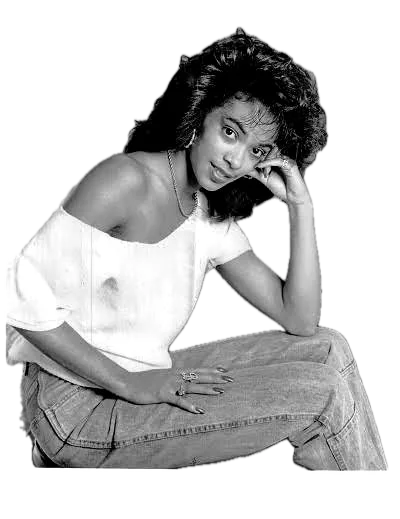
View the full 1970s"To the Beat Y'All" (1979), first pressed on Philly's TEC Records: widely credited as the first solo female MC on wax. From WHAT to Power 99, her radio shows broke rap on Philly airwaves for decades.
The WHAT and WDAS jock who rhymed on air since the fifties cuts "Rhythm Talk" for Philadelphia International (1979). He is widely named as a forerunner of the MC.
Block parties, rec centers and church basements carry the new sound through North and West Philly: mobile sound systems, crews and ciphers before the industry knew their names.
Cornbread, Cool Earl and Kool Klepto Kidd make Philadelphia widely credited as the birthplace of modern graffiti writing.
1985 to 1992
The turntable capital of the planet. Philly hands invent techniques the whole world still cuts with, and Philly voices take rap from the corner to the Grammys.
View the full 1980sSelf-releases "P.S.K. What Does It Mean?" (1985), named for the Park Side Killers of 52nd & Parkside, West Philly. Widely cited as the first gangsta rap record; Ice-T built "6 in the Mornin'" on it.
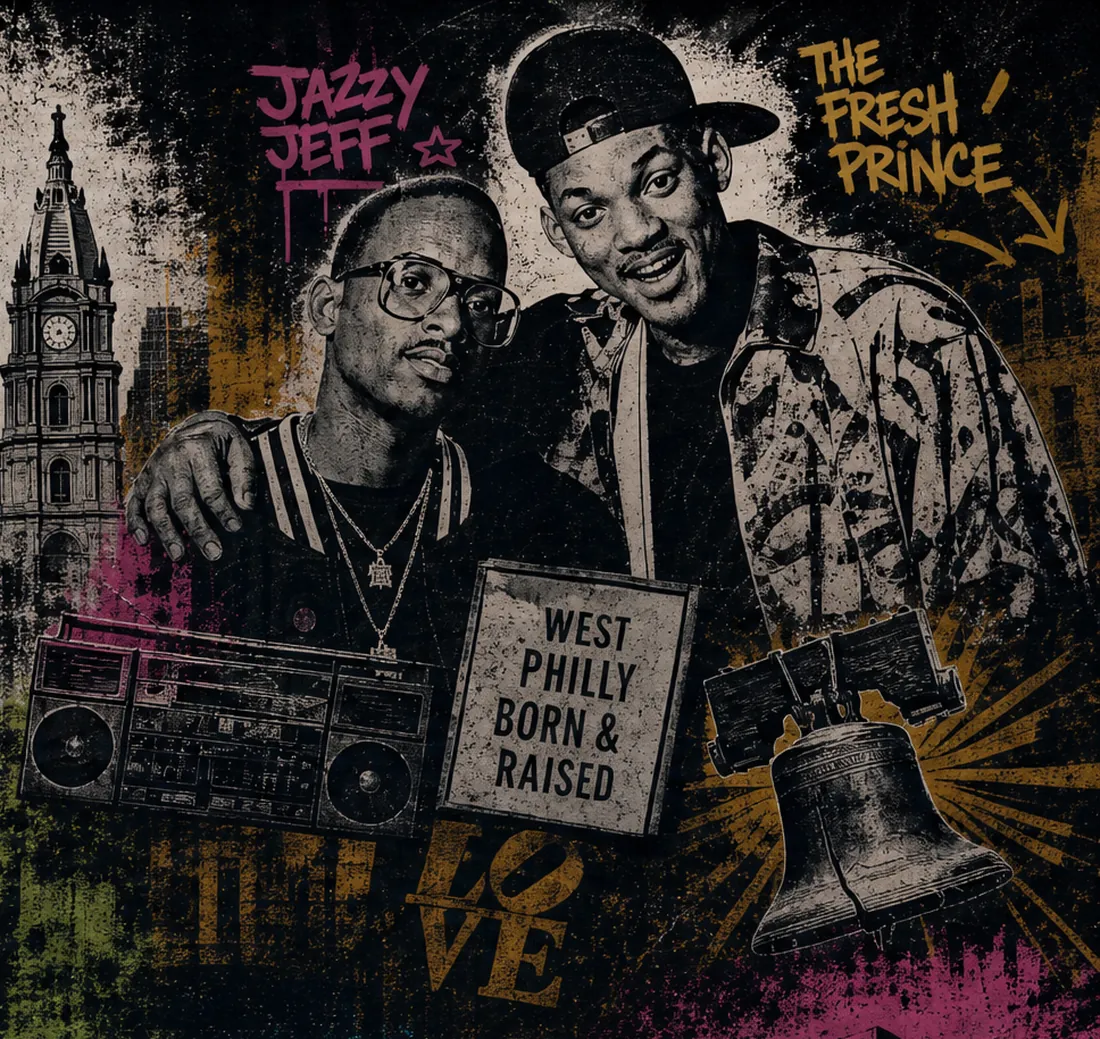
"Parents Just Don't Understand" wins the first rap Grammy ever awarded (1989); the duo boycotts the ceremony because the award isn't televised. "Summertime" (1991) wins them a second.
1988 DMC World Champion, the first from the Philadelphia area. With Jazzy Jeff and other Philly DJs, he turns the transformer scratch into a global language.
"Greatest Man Alive" (1988): Hilltop swagger, Original Stylin' (1989).
"My Part of Town" (1988): a crew from across the city makes Philly's anthem; regulars at the After Midnight club.
Lawrence Goodman's Philly label presses "Roxanne's Revenge" (1984) and launches the Hilltop Hustlers crew out of West Philly onto major labels.
1993 to 1999
While the industry chased loops, Philly plugged in. A live band from South Philly street corners becomes the most respected group in hip hop, and the city's pens get sharper.
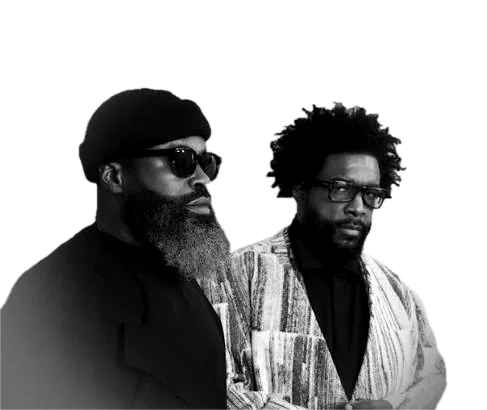
View the full 1990sFrom busking on Philly corners to Organix (1993) to Things Fall Apart (1999). Black Thought and Questlove build hip hop's greatest live act; "You Got Me" wins their first Grammy (2000).
Kollage (1996): cool-toned precision that made lyricists study.
The Five Spot in Old City: Jill Scott, Jaguar Wright and the neo-soul generation come up in the same rooms as the MCs.
Let There Be Eve...Ruff Ryders' First Lady (1999) debuts at #1 on the Billboard 200. A West Philly voice arrives on top.
2000 to 2009
Roc-A-Fella's engine room runs on Philly. Battle culture, block anthems, and a crew that made the whole country talk like the 215.
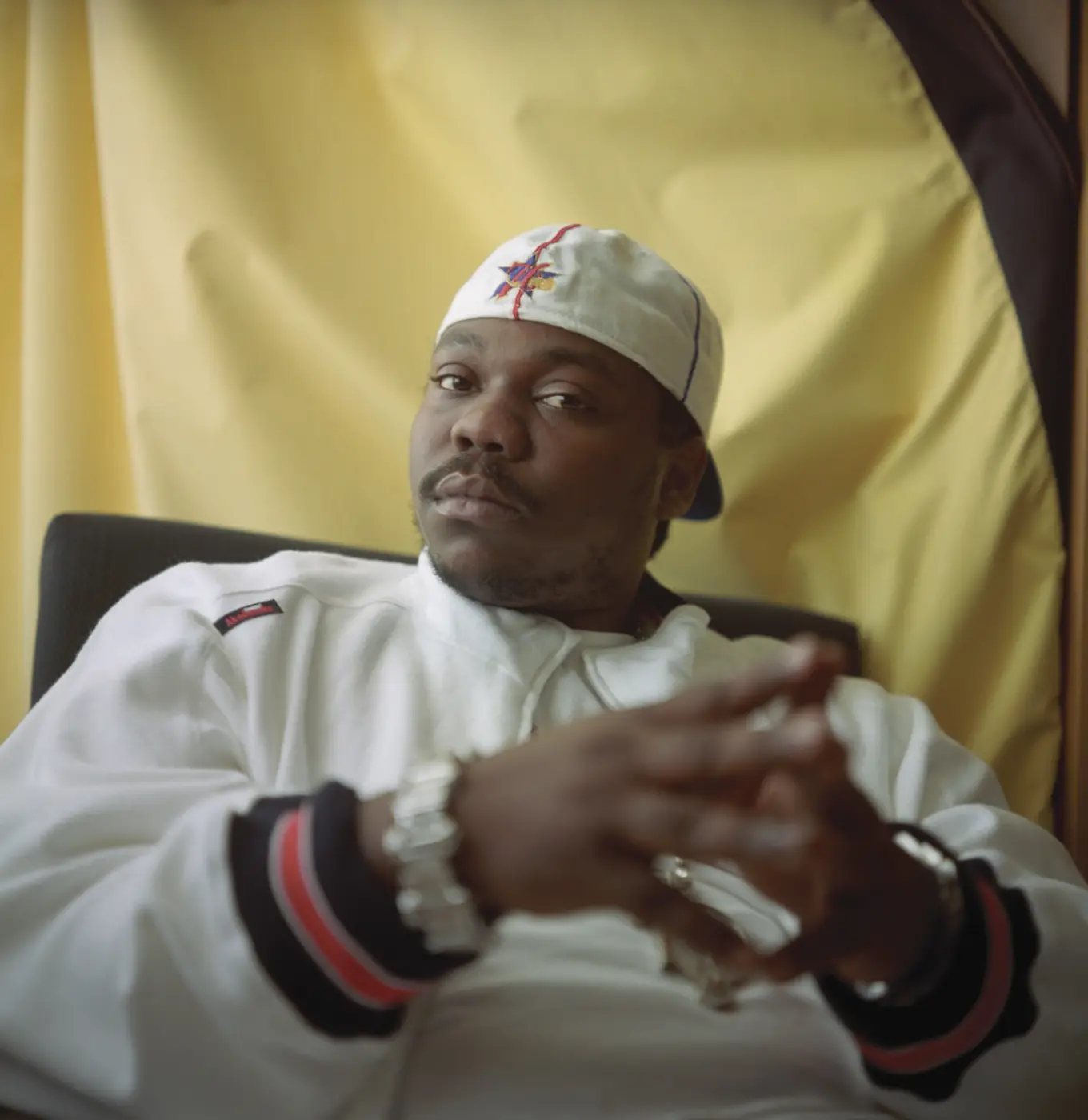
View the full 2000sThe Truth (2000): South Philly's heavyweight leads the State Property era.
"What We Do" (2002): the beard, the flow, a North Philly classic with Jay-Z and Beans.
"Let Me Blow Ya Mind" takes home a Grammy (2002), the first ever awarded for Best Rap/Sung Collaboration.
"Hotel" (2003) climbs to No. 4 on the Hot 100; I'm a Hustla (2005): battle-rap royalty goes platinum.
"Can't Stop, Won't Stop" (2003): Grammy-nominated, corner to chart.
A taped Cassidy vs. Freeway freestyle battle (early 2000s) passes hand to hand across the city. Philly cyphers sharpen a generation of pens.
2010 to 2019
An intro with no chorus becomes the city's heartbeat. Philly streams past every gate the industry ever built, and gets weirder, freer, bigger.
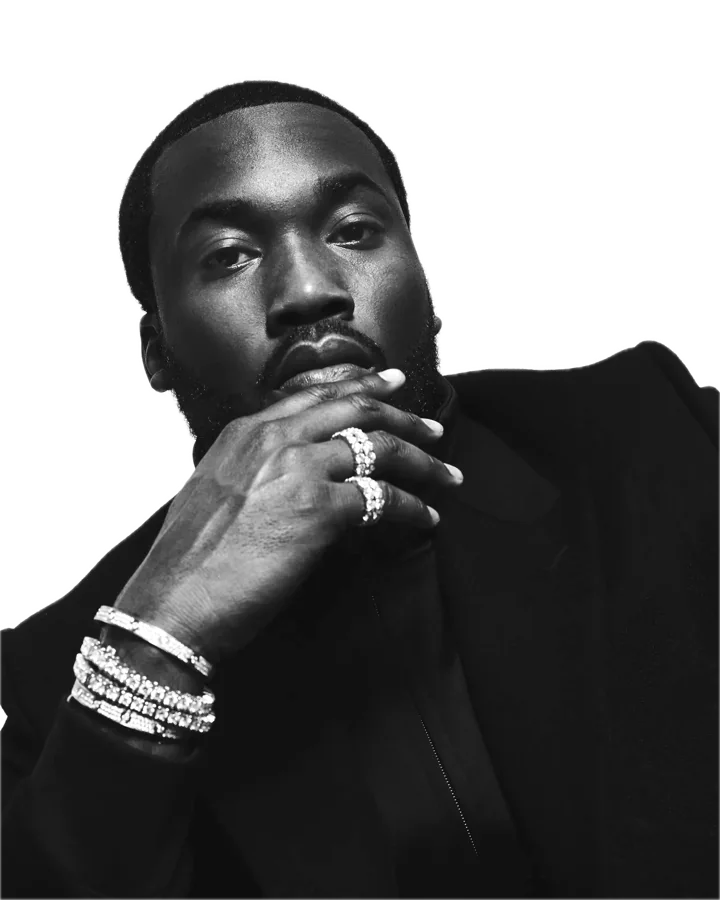
View the full 2010sDreams and Nightmares (2012): the Intro becomes Philly's anthem. The Eagles walk out to it and win Super Bowl LII (2018) while Meek sits in SCI Chester; he walks free that April and rings the Sixers' bell the same night.
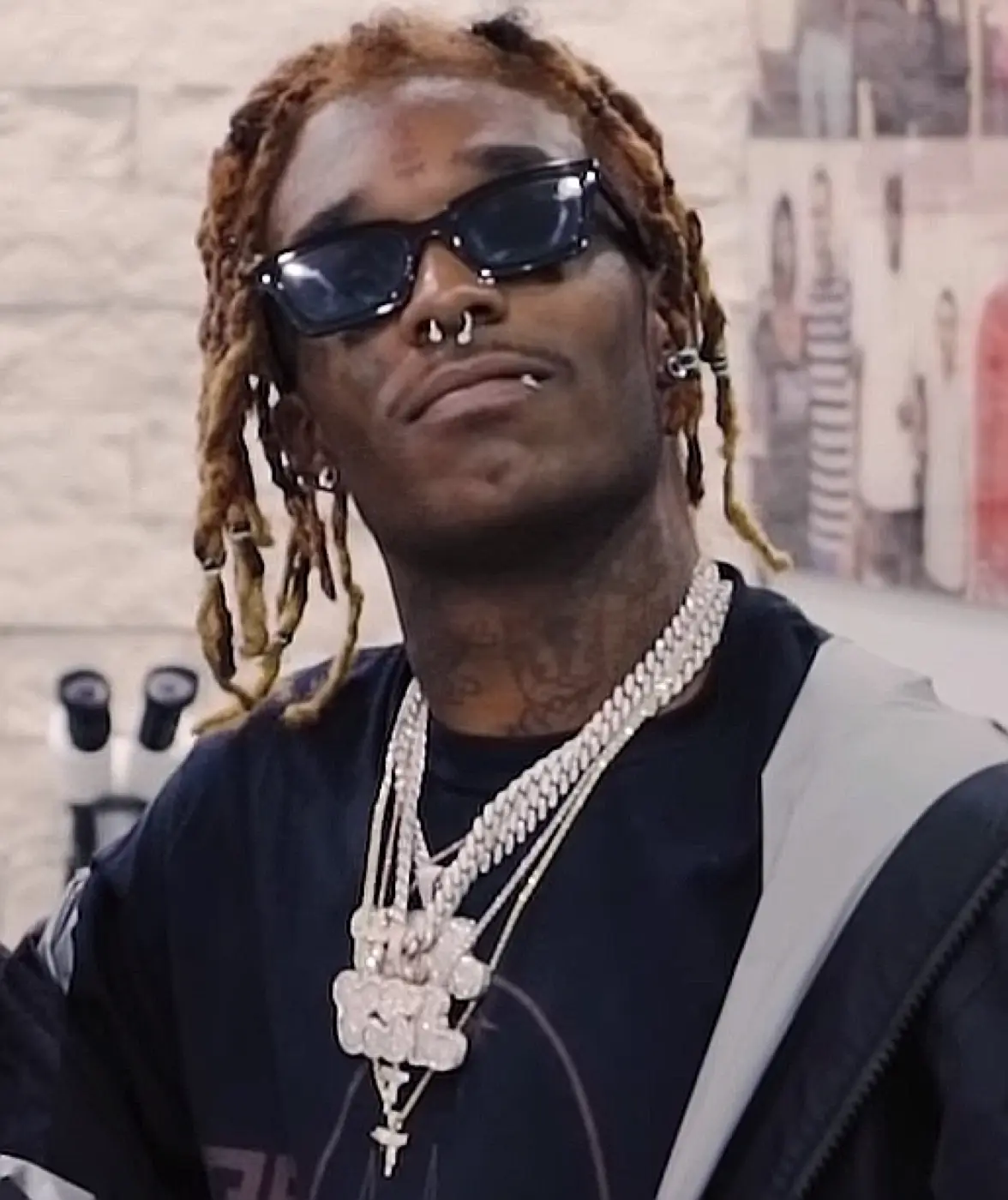
"XO Tour Llif3" (2017): Philly's biggest streaming hit of the decade, certified Diamond in 2022. A new sound of the internet era, born in Francisville.
Whack World (2018): fifteen songs in fifteen minutes, unlike anything before it. Her "Mumbo Jumbo" video earns a Grammy nomination (2019).
"Selfish" (2016): melody from the blocks the city sings back.
2020 to now
Club music at 140 beats a minute, dances born at North Philly skating rinks, and a generation that grew up on all five previous tracks takes the city's sound onto every phone on earth.
View the full 2020s"Just Wanna Rock" (2022): a Philly star rides a Jersey club beat to No. 10 on the Hot 100 and goes four times platinum.
"Q-Pid" (2022) and a dance-battle cameo in Drake's "Sticky" video put North Philly club dancing on every feed; an XXL Freshman in 2023.
"Billie Eilish." (2022): West Philly bounce on every radio.
World Wide Whack (2024): the art keeps stretching.
Questlove takes home an Oscar for Summer of Soul (2022) and the city names Lady B Way (2022). The culture turns fifty; Philly throws the party.
What’s next North Philadelphia
This is the short version. The full history, decade by decade, and the books, the artifacts, the time capsule and the people who made it, lives at the Hip Hop Library.
The full historyThe next generationReading is Hip Hop.
Fifty years of the culture, decade by decade. The city that wrote on walls before rap had a name, scratched first, won the first Grammy, and never stopped setting the tempo.
1970 to 1979
Philly was writing before the world was listening. Cornbread and Cool Earl covered the walls, radio jocks rhymed on the air, and in 1979 the city cut two of the very first rap records.
View the full 1970s1980 to 1989
The turntable capital of the planet. Philly hands invent techniques the whole world still cuts with, Schoolly D makes P.S.K., and a West Philly duo wins the first rap Grammy.
View the full 1980s1990 to 1999
While the industry chased loops, Philly plugged in. A live band from South Street corners becomes the most respected group in hip hop, and the city's pens get sharper.
View the full 1990s2000 to 2009
Roc-A-Fella's engine room runs on Philly. Battle culture, block anthems, and a crew that made the whole country talk like the 215.
View the full 2000s2010 to 2019
An intro with no chorus becomes the city's heartbeat. Philly streams past every gate the industry ever built, and gets weirder, freer, bigger.
View the full 2010s2020 to now
Club music at 140 beats a minute, dances born at North Philly skating rinks, an Oscar for Questlove and a street named for Lady B. The city's sound reaches every phone on earth.
View the full 2020sWhat’s next North Philadelphia
This is the short version. The full history, decade by decade, and the books, the artifacts, the time capsule and the people who made it, lives at the Hip Hop Library.
The full historyThe next generationReading is Hip Hop.
Programs that use the music to pull people in, then hand them the library.
See our programsMonthly storytimes with hip hop authors and artists, connecting kids to literature through the culture they already love.
Hands-on workshops in the craft: mixing and MCing, writing and recording, through to producing a full podcast episode.
Science and technology programming for young people, with the music as the hook for curiosity and learning.
Readings, panels and book signings with leading hip hop authors. The first of its kind in Philadelphia.
Register interestOpening soon
Our permanent home at 2340 Cecil B. Moore Avenue is taking shape. The physical library will house the full archive, a hip hop time capsule, exhibition space and a home for community events: the first dedicated hip hop institution in Philadelphia.
This block has a record of its own. Columbia Avenue was the Golden Strip, twenty jazz clubs from 13th to 23rd. The 1964 uprising began a block away, at 22nd and Columbia. The Free Library's branch has stood at 2320 since 1962, and the avenue was renamed for Cecil B. Moore in 1987 after a petition led by high school students. The library joins that line.
North Philadelphia2340 Cecil B. Moore Ave
Support the library
The archive preserves the story. Your support gives it a place to live: the collection, free programs for young people, and a permanent home for Philadelphia's hip hop history. The Hip Hop Library is a 501(c)(3) nonprofit, and every dollar goes back into the culture.
Learn more about giving