The Live Element.

A band from the South Street sidewalk puts live instruments at the center of hip hop, a Philly office runs three No. 1 albums, and a handful of rooms turn the city into a songwriting town.

Philly Hip Hop History1990 to 1999

Now playingThe Live Element

A city in crisis builds a band.

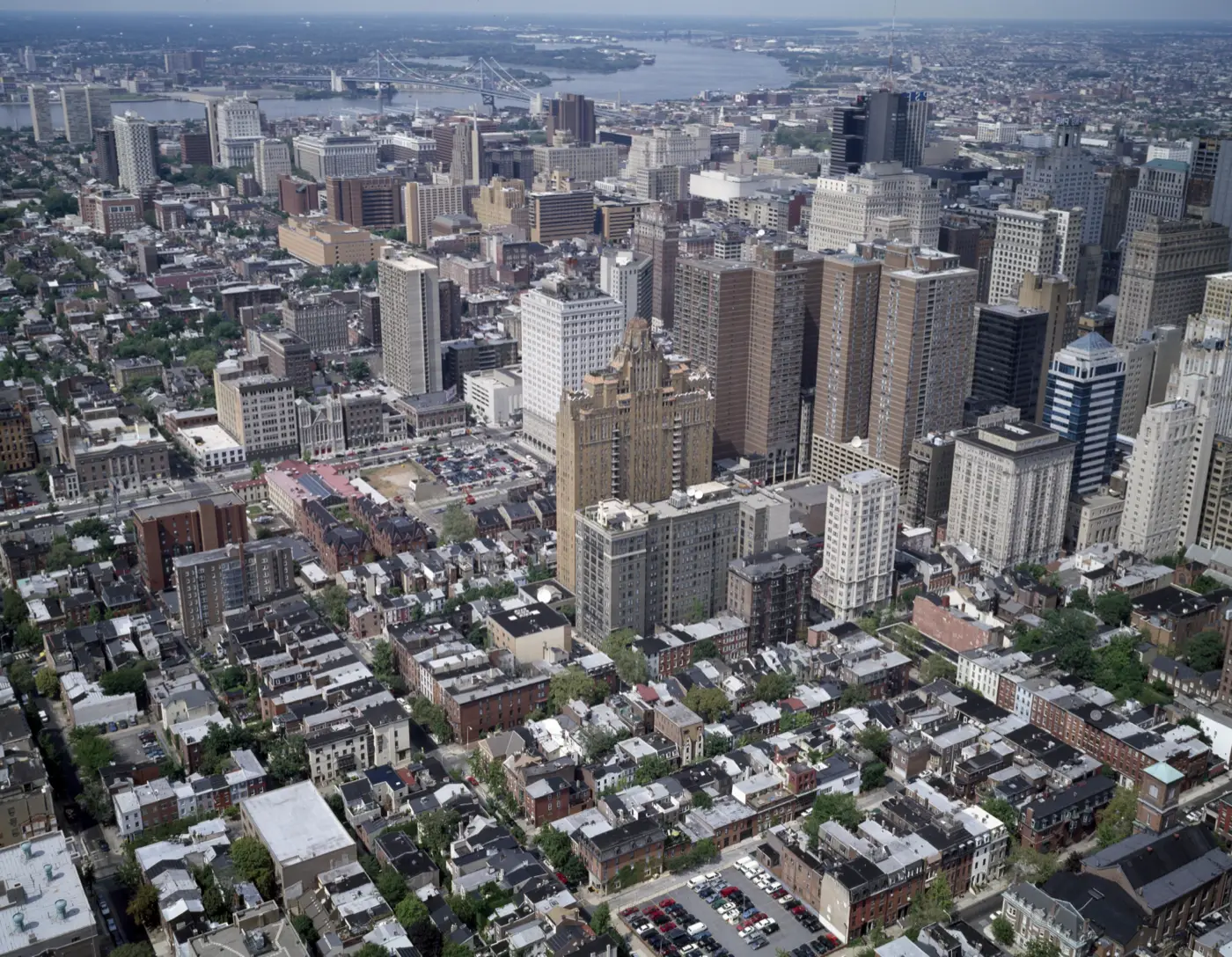
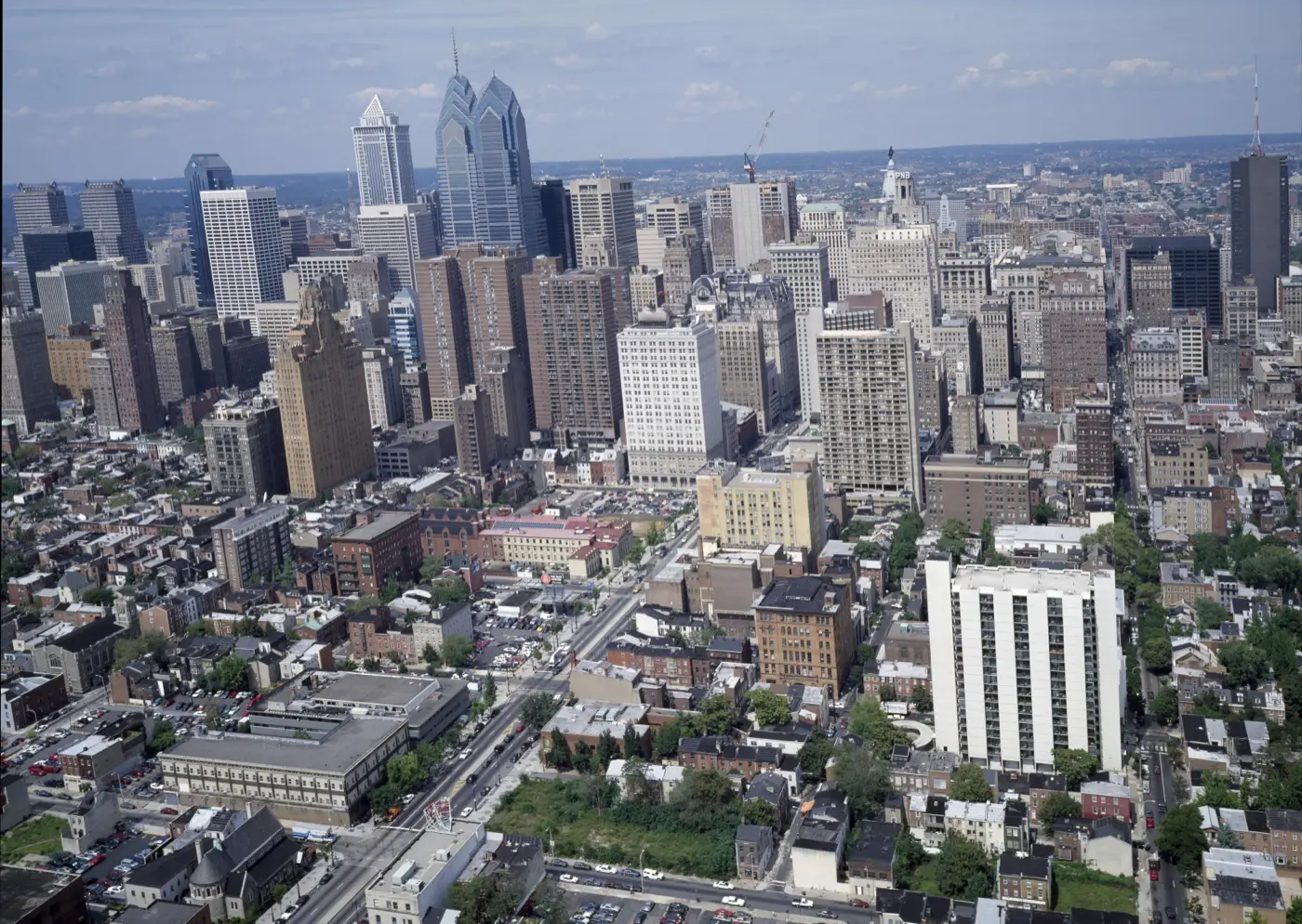
Philadelphia entered the 1990s in crisis, and came out of them with a sound of its own.

The city recorded its worst year for homicides in 1990, at the height of the crack era. Factory jobs had been leaving for decades.

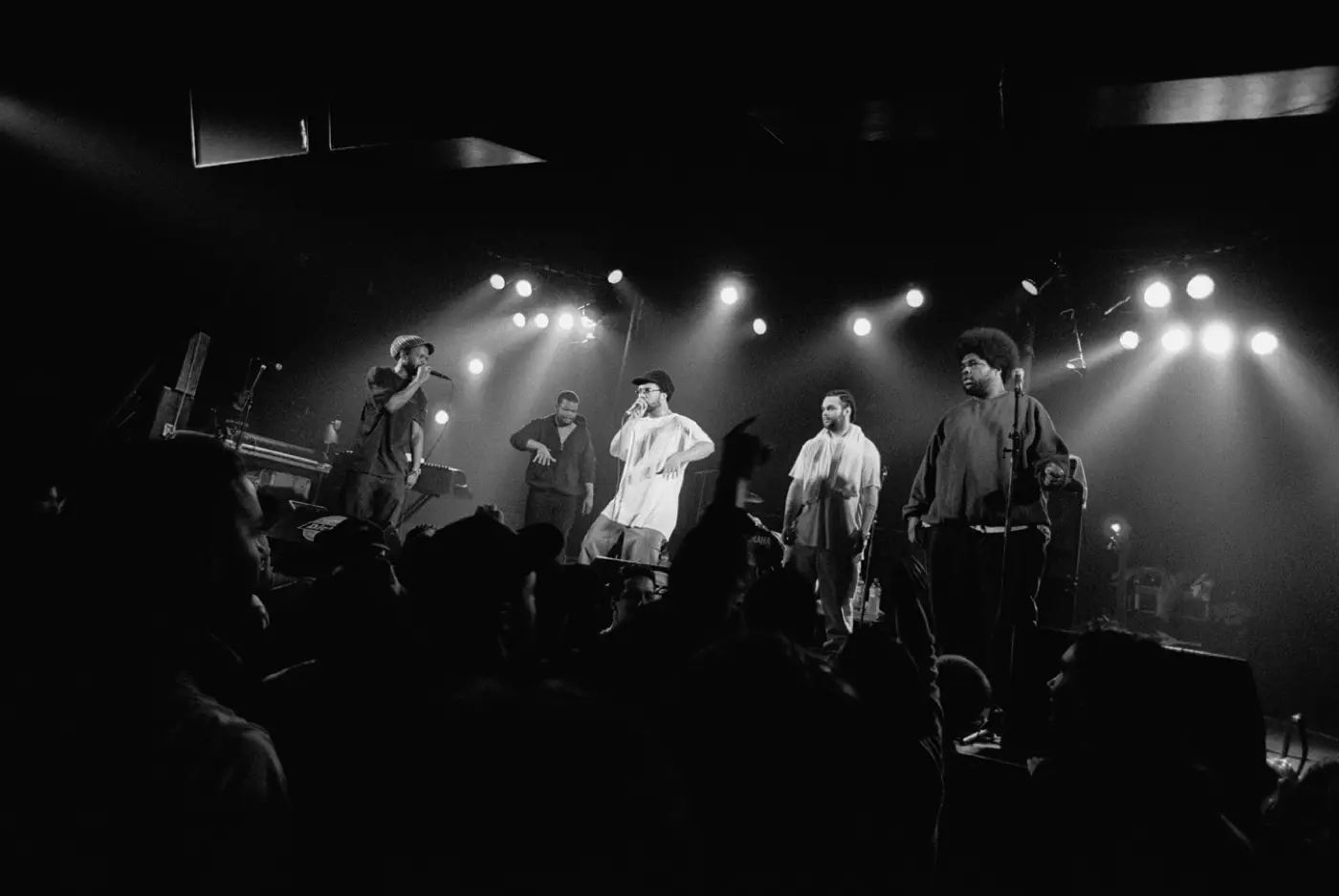
The decade's quiet engine was a public school. At the High School for the Creative and Performing Arts, Boyz II Men formed in 1985 and Ahmir "Questlove" Thompson met Tariq "Black Thought" Trotter in 1987. The band they started on the sidewalk gave the city a nickname that stuck: Illadelph.

Radio, mixtapes and a few small rooms carried the rest: Power 99's Radioactive, tapes sold hand to hand, and the open mics and jam sessions where Jill Scott, Musiq Soulchild and Bilal came up.

1990–91

The Fresh Prince goes to TV, "Summertime" owns the radio, and Power 99 launches Radioactive.

Television

A West Philly kid on prime time.

NBC · September 10, 1990

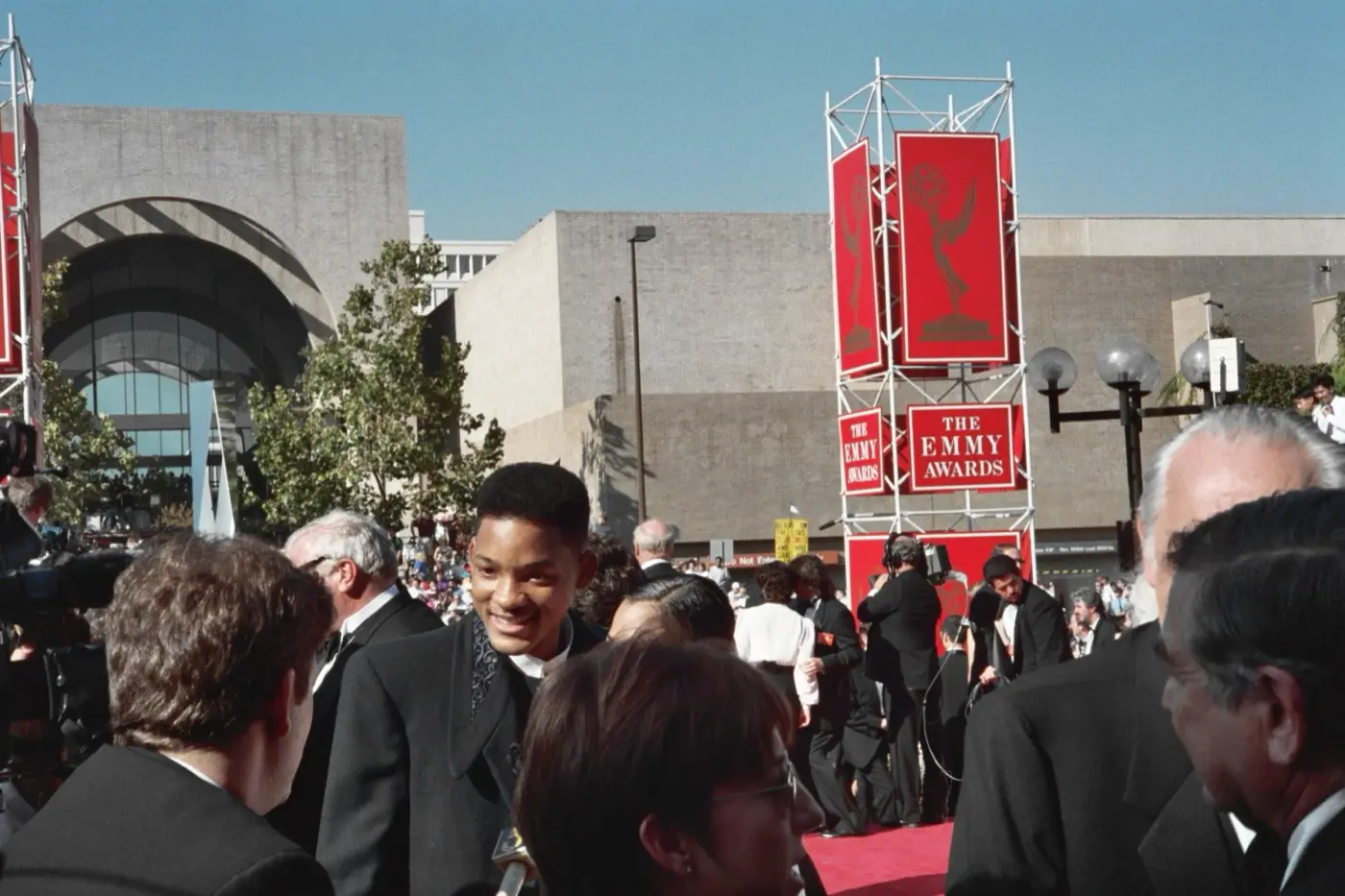
The Fresh Prince of Bel-Air premieres, with Will Smith as a West Philadelphia teenager sent to live in Bel-Air and Jeff Townes as his friend Jazz. For six seasons a Philly rapper is one of the most visible Black performers on American TV.

Record

"Summertime."

Homebase · July 1991

The single reaches No. 4 on the Hot 100 and wins the duo their second Grammy. It is still the sound of a Philly summer.

Listen to Summertime on Spotify (opens in a new tab)

Studio

A Touch of Jazz opens.

DJ Jazzy Jeff's production company · 1990

Jeff starts his own production company and studio. It becomes the base for a generation of Philly producers, among them James Poyser, Andre Harris, Vidal Davis and Carvin Haggins, and for artists including Jill Scott and Musiq Soulchild.

Radio

Radioactive on Power 99.

WUSL Power 99 FM · 1991–98

Two years after Lady B's Street Beat ended, Power 99 launches a hip hop show hosted by Colby Colb, who started as an intern, with DJ Ran, DJ Cosmic Kev and Robert "Laid Back" Black.

1992

Boyz II Men set a record, Ruffhouse jumps to No. 1, and Puremovement is born.

Charts

"End of the Road."

Boyz II Men

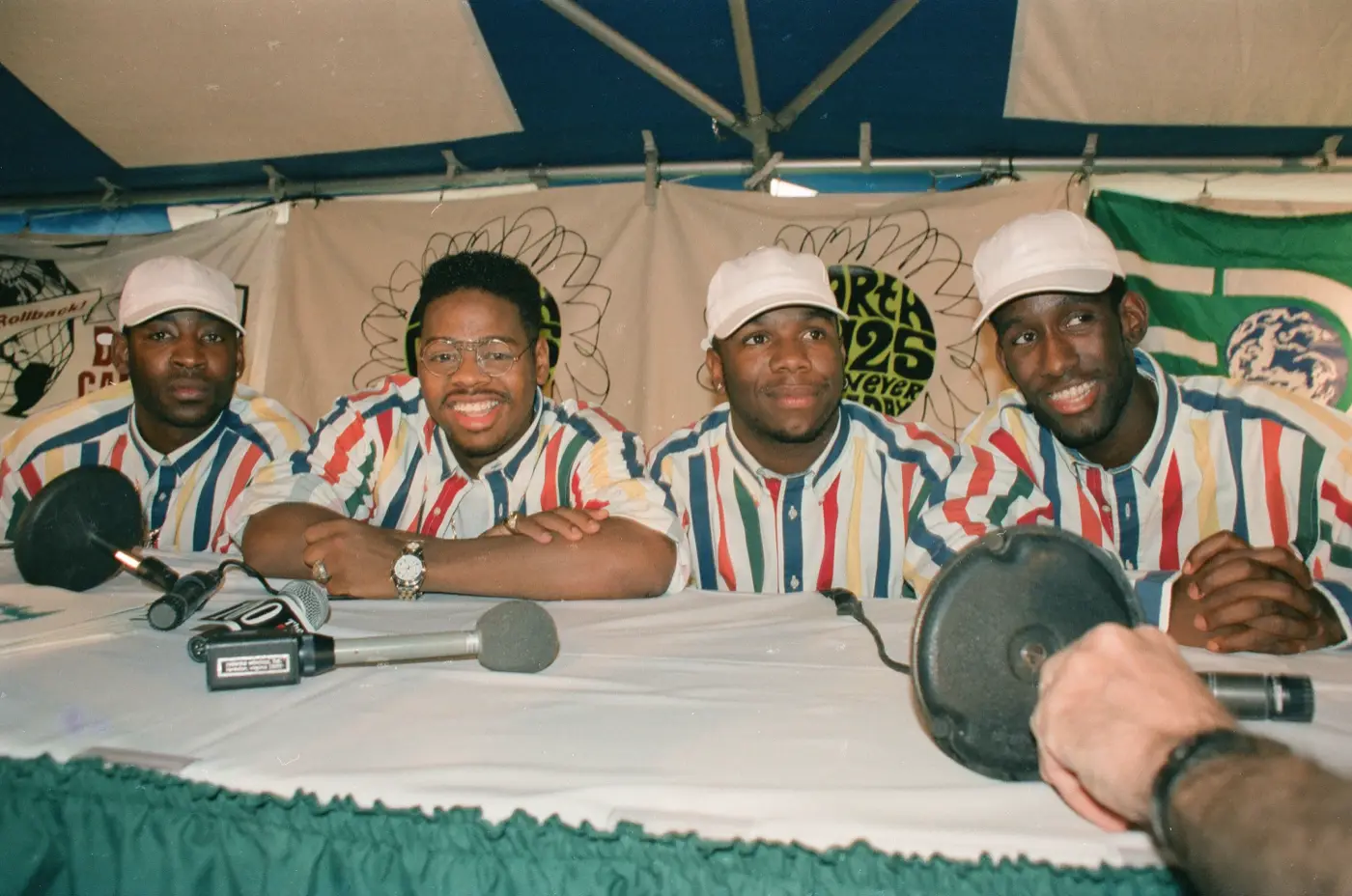
The quartet that formed at CAPA in 1985, discovered by Michael Bivins at a Philadelphia Civic Center concert, spends 13 weeks at No. 1 on the Hot 100, a record at the time. Their hip hop beats under harmony singing open a door the decade will walk through.

Dance

Puremovement.

Rennie Harris

North Philadelphia dancer Rennie Harris, a Scanner Boy in the 1980s, founds Rennie Harris Puremovement, described as the first touring hip hop dance company. Philly's popping and b-boy styles go onto concert stages.

A name

The Square Roots become the Roots.

South Street

The band drops "Square" from its name because a local folk group had a claim to it.

The Philly office.

Joe "The Butcher" Nicolo and Chris Schwartz founded Ruffhouse Records in Philadelphia in 1989 as a joint venture with Columbia. It was not a Philly-sounding label. Its biggest acts came from Atlanta, Los Angeles and New Jersey, and their records were mostly made outside the city.

The Philadelphia part was the office, the deal-making, and Nicolo's Studio 4 at Fourth and Callowhill, where Cypress Hill's 1990s albums were mixed. From there Ruffhouse ran three No. 1 albums of the decade, then folded in 1999.

  • Kris Kross, Totally Krossed Out (1992)
  • Fugees, The Score (1996)
  • Lauryn Hill, The Miseducation of Lauryn Hill (1998)

1993–94

The Roots press Organix themselves, and Ursula Rucker reads in public for the first time.

Album

The Roots press it themselves.

May 19, 1993

Recorded in 1992 and 1993, Organix is self-released to sell at shows on a European trip. The buzz brings label offers, and the band signs to DGC/Geffen: one of the few hip hop acts on a major built around a live band.

Listen to Organix on Spotify (opens in a new tab)

Poetry

Ursula Rucker reads in public.

Zanzibar Blue · 1994

The Temple journalism graduate gives her first reading at the Zanzibar Blue jazz club. King Britt and Josh Wink's new Ovum Recordings put out her first spoken-word record, "Supernatural," the same year. Her pieces go on to close three Roots albums.

Underground

Jedi Mind Tricks form.

1993

High school friends Vinnie Paz and Stoupe the Enemy of Mankind start the group that will carry Philly's underground through the next two decades.

Writers

ESPO takes On the Go to New York.

1994

Philadelphia-born writer Stephen "ESPO" Powers moves his graffiti and hip hop magazine to New York to grow it. Back home, the Mural Arts Program keeps offering writers a legal wall.

South Street to the world.

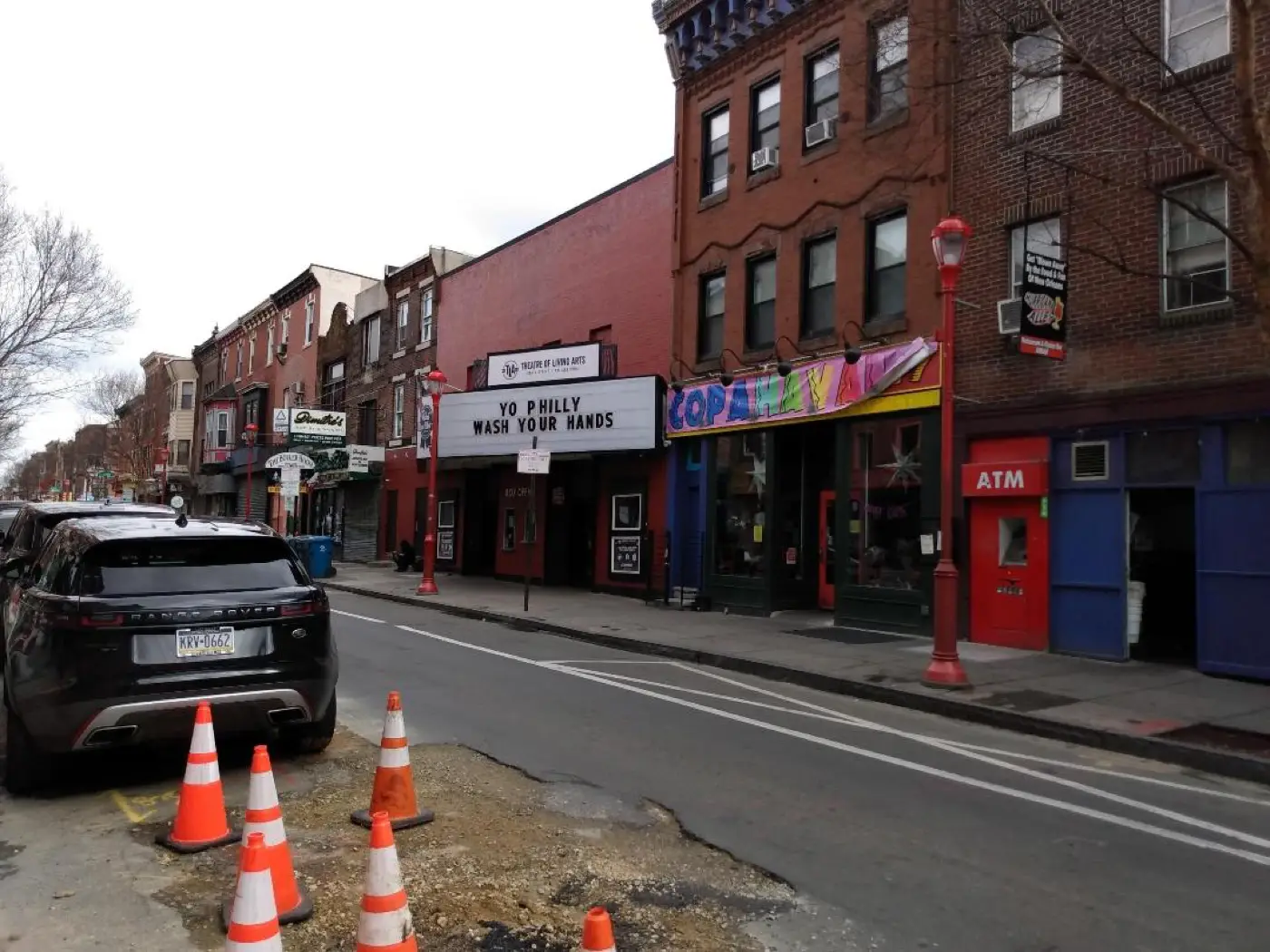
The Roots started on the sidewalk, busking with a bucket-drum kit at South Street and East Passyunk Avenue. In 2020 the city named the 600 block of East Passyunk "Avenue of The Roots."

They proved a live band could make hip hop albums that stood beside sample-based records, and they built a family around it.

  • Black Thought
  • Questlove
  • Malik B.
  • Leonard "Hub" Hubbard
  • Rahzel
  • Kamal Gray
  • Scratch
  • Scott Storch
  • Dice Raw

1995

The Roots' major-label debut puts a band and a beatboxer at the center of hip hop.

1996

Illadelph Halflife, Kollage, Iverson and Mural Arts' independence: the decade's busiest year.

Album

Illadelph Halflife.

September 24, 1996

The Roots' first Top 40 album reaches No. 21, with Bahamadia, Ursula Rucker, Q-Tip, Common and Dice Raw among the guests. "What They Do" reaches No. 34 on the Hot 100.

Listen to Illadelph Halflife on Spotify (opens in a new tab)

Album

Kollage.

Spring 1996

Bahamadia's debut, produced by Guru, DJ Premier, Da Beatminerz and the Roots, gives Philadelphia one of the decade's most distinctive voices in rap.

Style

Iverson arrives.

Drafted No. 1 · June 26, 1996

The 76ers draft Allen Iverson. His cornrows, tattoos and baggy clothes put Philly's hip hop style on national TV every night, and the NBA's 2005 dress code was widely read as a response.

Writers

Mural Arts goes independent.

1996

The Anti-Graffiti Network is folded into the Recreation Department, and Jane Golden's Mural Arts Program spins off on its own, still offering writers a legal outlet. Larry Gold opens The Studio downtown the same year.

The rooms.

In the second half of the decade a set of rooms and nights turned Philadelphia into a songwriting city, and the music that came out of them got a name: neo-soul.

King Britt and Dozia Blakey's Back2Basics nights at Silk City. Questlove's jam sessions at home, 1997 to 2001, with Erykah Badu, Jill Scott, Bilal and Musiq. Larry Gold's The Studio. And Black Lily, the women's series the Jazzyfatnastees started in 1999 and moved to the Five Spot in Old City.

  • Jill Scott
  • Musiq Soulchild
  • Bilal
  • Jaguar Wright
  • Jazzyfatnastees
  • King Britt
  • James Poyser
  • DJ Ryva Parker

1997–98

CAPA moves to Broad Street, a new station signs on, and Beanie Sigel gets a verse with Jay-Z.

A verse

Beanie Sigel on "Reservoir Dogs."

September 29, 1998

South Philly's Beanie Sigel, named for Sigel Street, appears on Jay-Z's Vol. 2... Hard Knock Life. It leads to a Roc-A-Fella deal, and to the State Property generation behind him.

School

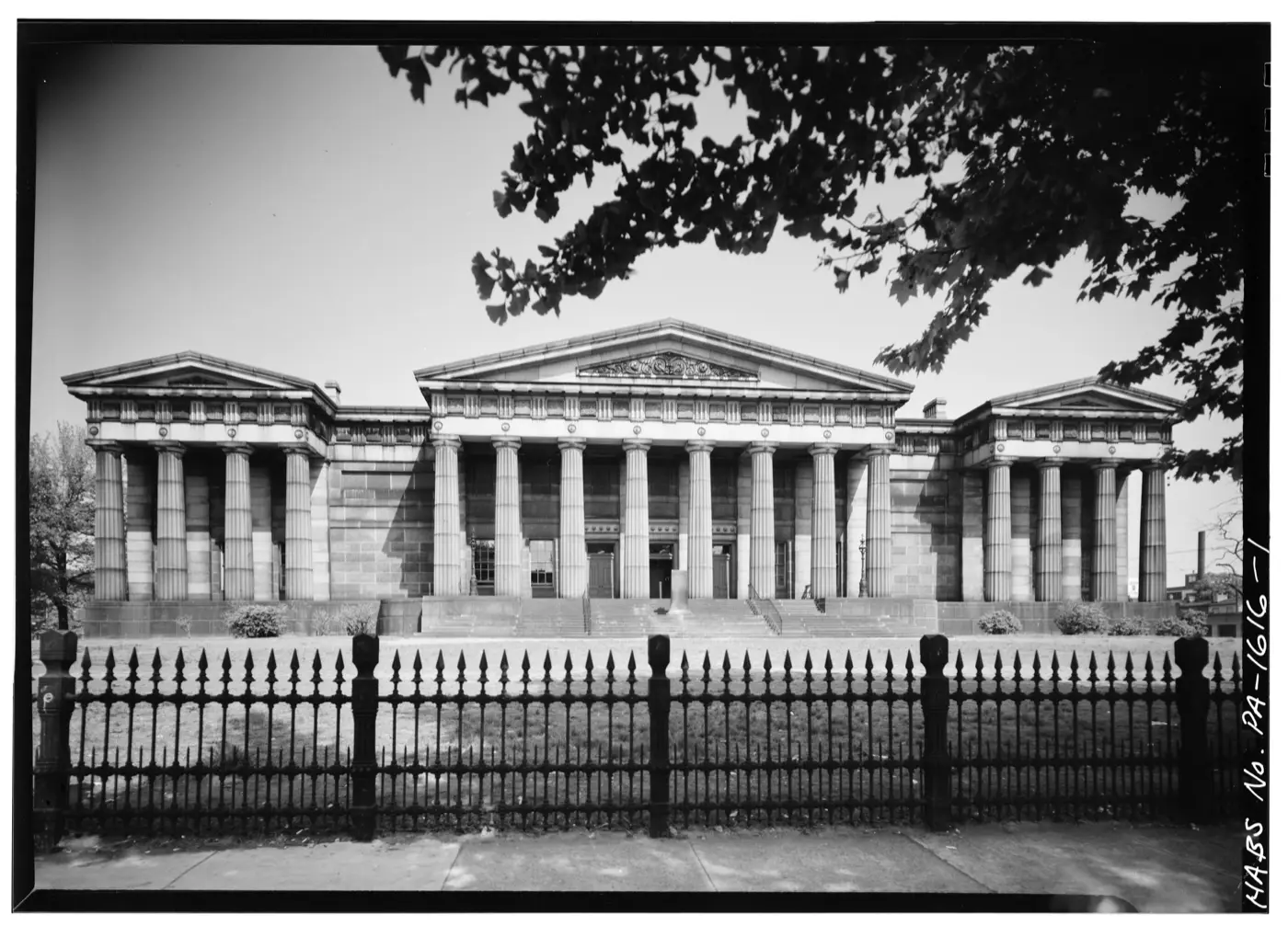
CAPA moves into the Ridgway Library.

901 S. Broad Street · October 31, 1997

The school where Boyz II Men formed and the Roots met moves into the restored Ridgway Library on the new Avenue of the Arts. Bilal graduates the next year.

Radio

Philly 103.9 signs on.

WPHI · February 1997

Radio One relaunches a former rock station as an urban station to take on Power 99.

Online

Okayplayer is built.

West Philadelphia · 1998

Questlove and Angela Nissel build the Roots' website and message board in West Philadelphia bedrooms. It becomes one of the first online homes for hip hop fans.

Label

Miseducation on Ruffhouse.

August 1998

The Miseducation of Lauryn Hill debuts at No. 1 on Ruffhouse/Columbia and wins five Grammys. Its Philadelphia ties are the label, executive Chris Schwartz and keyboardist James Poyser; it was recorded in New York, New Jersey, London and Jamaica.

1999

Things Fall Apart, Okayplayer, Black Lily and Eve's No. 1 debut close the decade.

Album

Things Fall Apart.

February 23, 1999

Recorded in New York with J Dilla, James Poyser and Scott Storch, it reaches No. 4 and goes gold by April. "You Got Me," co-written by Jill Scott, who sang the first version, wins the Grammy for Best Rap Performance by a Duo or Group. Okayplayer launches the same day.

Listen to Things Fall Apart on Spotify (opens in a new tab)

Album

Eve debuts at No. 1.

September 14, 1999

Eve, who grew up in West Philadelphia and Germantown, debuts at No. 1 on the Billboard 200, the third album by a woman rapper to top it.

Listen to Let There Be Eve on Spotify (opens in a new tab)

Rooms

The Five Spot, Old City.

5 South Bank Street

A small club named for its address. It starts the decade as a swing-revival dance spot and ends it as a lab for the city's new soul: The Roots, Erykah Badu, India.Arie and Jill Scott on its stage, and poetry nights that fill it on weeknights. A fire later closes it for good.

Women in music

Black Lily begins.

Wetlands, New York, then the Five Spot, Old City

Tracey Moore and Mercedes Martinez of the Jazzyfatnastees start a women's music series in New York and bring it home to the Five Spot. Jaguar Wright joins after meeting the organizers at the Things Fall Apart release party.

Mixtapes

Major Figgas press it up.

Erie Avenue, North Philly · November 1999

After a year of local tapes drawing label interest, Major Figgas self-release Figgas 4 Life and sign with Chris Schwartz's new RuffNation. Ruffhouse closes the same year.

Roll call.

More of the artists who carried the city through the decade. From the founder's own list of Philly names. Know someone we missed? Tell us.

MCs & rappers

Flip the record.

The decade ends with Beanie Sigel on Roc-A-Fella and Eve at No. 1. In the 2000s the street sound takes the city: State Property, the Black Lily years and the battle circuit.

Next2000s · State PropertyOut now

Sources & corrections

Show

Compiled from published histories, press, discographies and interviews, listed below. History told by the culture is argued about by the culture: if you remember it differently, or you have the flyer, the tape or the photo, tell us or add it to the archive.

Sources (73)

  1. The Roots, Wikipedia, en.wikipedia.org
  2. Organix (album), Wikipedia, en.wikipedia.org
  3. "Today in Hip Hop History: The Roots Released Their Debut Album 'Organix' 33 Years Ago," The Source, 19 May 2026, thesource.com
  4. Do You Want More?!!!??!, Wikipedia, en.wikipedia.org
  5. Illadelph Halflife, Wikipedia, en.wikipedia.org
  6. Things Fall Apart (album), Wikipedia, en.wikipedia.org
  7. "Illadelph forever: Philly street named for The Roots," Philadelphia Tribune, 2020, phillytrib.com
  8. Ruffhouse Records, Wikipedia, en.wikipedia.org
  9. "Fugees, Lauryn Hill, Ruffhouse Records: Joe Nicolo and Chris Schwartz," Philadelphia Inquirer, 4 October 2017, inquirer.com
  10. Cypress Hill (album), Wikipedia, en.wikipedia.org
  11. Kris Kross, Wikipedia, en.wikipedia.org
  12. The Score (Fugees album), Wikipedia, en.wikipedia.org
  13. The Miseducation of Lauryn Hill, Wikipedia, en.wikipedia.org
  14. Blunted on Reality, Wikipedia, en.wikipedia.org
  15. Boyz II Men, Wikipedia, en.wikipedia.org
  16. Cooleyhighharmony, Wikipedia, en.wikipedia.org
  17. II (Boyz II Men album), Wikipedia, en.wikipedia.org
  18. The Fresh Prince of Bel-Air, Wikipedia, en.wikipedia.org
  19. DJ Jazzy Jeff & the Fresh Prince, Wikipedia, en.wikipedia.org
  20. Homebase (album), Wikipedia, en.wikipedia.org
  21. Code Red (DJ Jazzy Jeff & the Fresh Prince album), Wikipedia, en.wikipedia.org
  22. Boom! Shake the Room, Wikipedia, en.wikipedia.org
  23. Big Willie Style, Wikipedia, en.wikipedia.org
  24. Bahamadia, Wikipedia, en.wikipedia.org
  25. Kollage (album), Wikipedia, en.wikipedia.org
  26. "Bahamadia – Kollage," Time Is Illmatic, 22 March 2022, timeisillmatic.me
  27. Ursula Rucker, Wikipedia, en.wikipedia.org
  28. King Britt, Wikipedia, en.wikipedia.org
  29. Eve (rapper), Wikipedia, en.wikipedia.org
  30. Beanie Sigel, Wikipedia, en.wikipedia.org
  31. Vol. 2... Hard Knock Life, Wikipedia, en.wikipedia.org
  32. Freeway (rapper), Wikipedia, en.wikipedia.org
  33. Cassidy (rapper), Wikipedia, en.wikipedia.org
  34. Major Figgas, Wikipedia, en.wikipedia.org
  35. Philly's Most Wanted, Wikipedia, en.wikipedia.org
  36. "Live from the 215: Philly underground rap," WXPN (summary via search; page blocked automated fetch), xpn.org
  37. Jill Scott (singer), Wikipedia, en.wikipedia.org
  38. Who Is Jill Scott? Words and Sounds Vol. 1, Wikipedia, en.wikipedia.org
  39. Musiq Soulchild, Wikipedia, en.wikipedia.org
  40. Floetry, Wikipedia, en.wikipedia.org
  41. Jazzyfatnastees, Wikipedia, en.wikipedia.org
  42. "The power of Black Lily," Temple News, temple-news.com
  43. "Filmmaker remembers Philly's neo-soul heyday," Philadelphia Inquirer, 7 May 2012, inquirer.com
  44. Soulquarians, Wikipedia, en.wikipedia.org
  45. "Questlove, King Britt and more reflect on the birth of Back2Basics and neo-soul," WXPN (summary via search; page blocked automated fetch), xpn.org
  46. "The Oral History of Okayplayer," Complex, March 2013, complex.com
  47. Bilal (American singer), Wikipedia, en.wikipedia.org
  48. DJ Jazzy Jeff, Philadelphia Music Alliance Walk of Fame, philadelphiamusicalliance.org
  49. DJ Jazzy Jeff biography, Resident Advisor, ra.co
  50. "DJ Jazzy Jeff's heart will 'always be from Philly'," NPR, 30 June 2026, npr.org (444 N. 3rd St. address from a search summary)
  51. "Recording Academy Honors Philly Heroes," BMI, 30 April 2003, bmi.com
  52. Larry Gold lecture, Red Bull Music Academy, redbullmusicacademy.com
  53. Philadelphia High School for the Creative and Performing Arts, Wikipedia, en.wikipedia.org
  54. CAPA "At a Glance" / school history, School District of Philadelphia, capa.philasd.org
  55. WUSL, Wikipedia, en.wikipedia.org
  56. Lady B, Wikipedia, en.wikipedia.org
  57. WPHI-FM, Wikipedia, en.wikipedia.org
  58. "Breaking Barriers: DJ Diamond Kuts' Journey From Mixtape Queen to Global Music Icon," The Source, thesource.com
  59. Philadelphia Anti-Graffiti Network, Wikipedia, en.wikipedia.org
  60. Jane Golden, Wikipedia, en.wikipedia.org
  61. Stephen Powers (artist), Wikipedia, en.wikipedia.org
  62. Rennie Harris, Wikipedia, en.wikipedia.org ; Rennie Harris Puremovement, rhpm.org
  63. Jedi Mind Tricks, AllMusic, allmusic.com
  64. The Last Emperor (rapper), Wikipedia, en.wikipedia.org
  65. Schoolly D, Wikipedia, en.wikipedia.org
  66. Crime in Philadelphia, Wikipedia, en.wikipedia.org
  67. "Allen Iverson's cultural influence," PhillyVoice, phillyvoice.com
  68. "The Troc closing: history and memories," Philadelphia Inquirer, 15 March 2019, inquirer.com
  69. Theatre of Living Arts, Wikipedia, en.wikipedia.org
  70. "The Fire music venue closing," Philadelphia Inquirer, 29 September 2026, inquirer.com
  71. "Hip Hop Horticulture: Black Lilly," OffBeat Magazine, offbeat.com
  72. "Tower Records" (James Dupree mural), Mural Arts Philadelphia, muralarts.org
  73. "The origin of jawn," Philadelphia Magazine, 15 September 2021, phillymag.com

Photo credits for this chapter are on the credits page.

Up next 2000s · State Property