The decade Philadelphia stopped borrowing hip hop and started exporting it. DJs who talked to the crowd through their records, a West Philly single that taught the whole country it didn't have to sound like New York, and the first rap Grammy ever handed out.
Philly Hip Hop History1980 to 1989
Now playingCity of DJs
19800:00 / 47:00
A music town first.
Hip hop didn't arrive in Philadelphia to an empty room.
This was the city of Gamble and Huff and Philadelphia International, the Sound of Philadelphia, and the city whose music industry pushed Washington into recognizing Black Music Month in 1979. It was full of studios where you could buy an hour and cut a song if you couldn't make it at home.
So when the new sound came down the turnpike from the Bronx, Philly didn't copy it. It fit straight into what the city's soul records had already laid down. Crews formed in every section of the city, and each one brought its own flavor.
Lady B had already put Philly on wax in 1979 with "To the Beat Y'all." This chapter is what the city did next.
1980
1980–83
Lady B
The DJs
Every section had its DJ, and its hall.
Ballrooms, halls and block parties, citywide
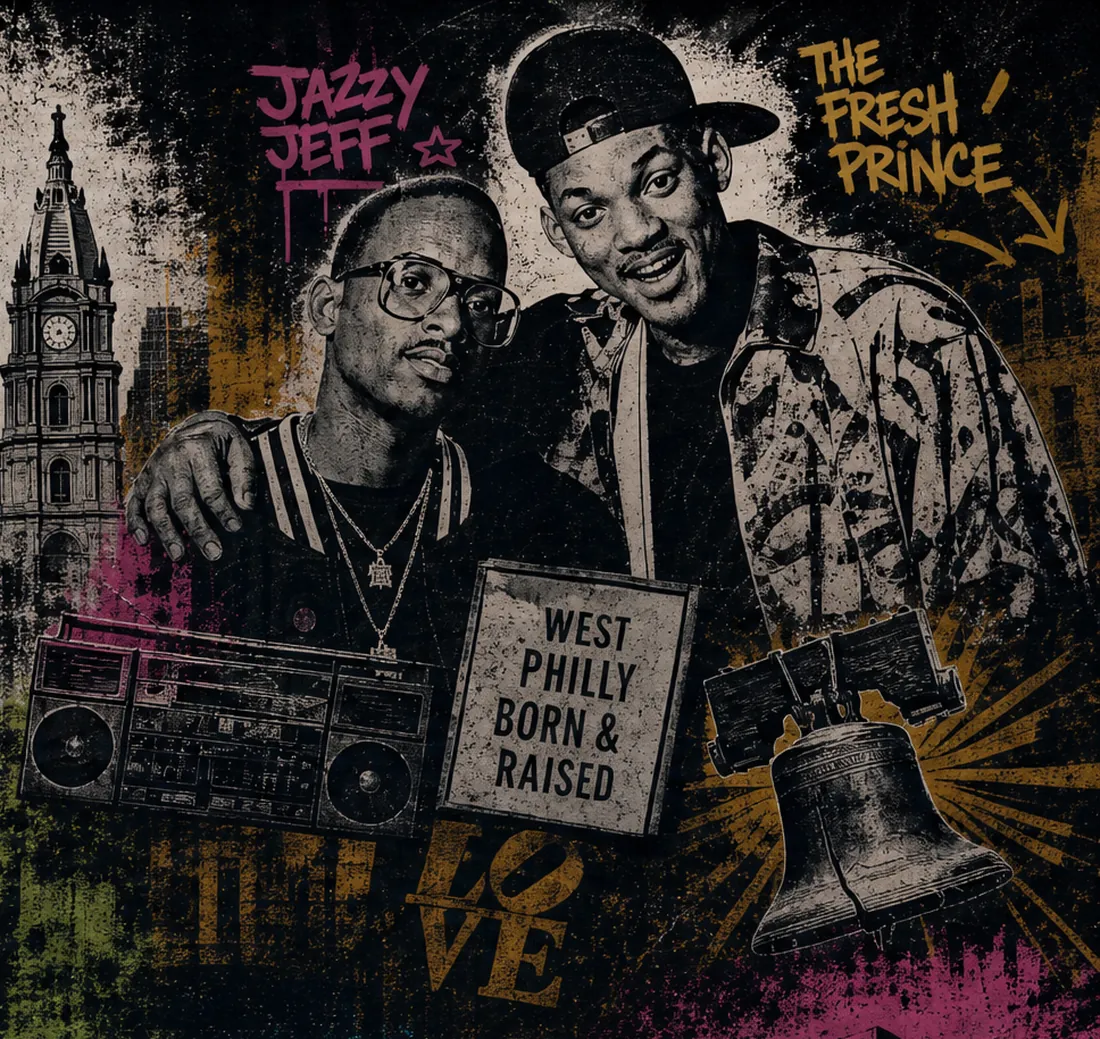
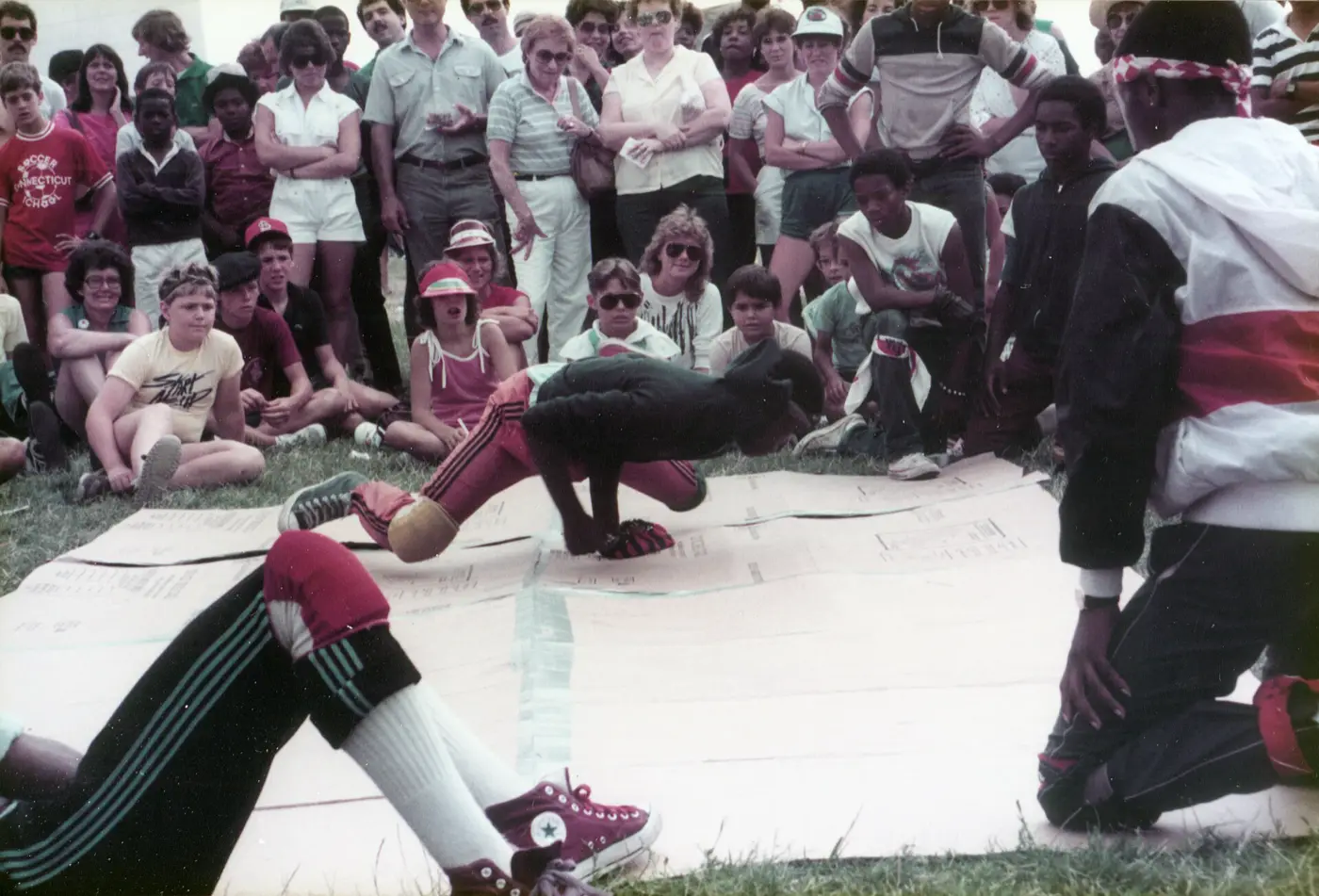
Before rappers took the front, the party belonged to the DJ, and every part of the city had its own. Cosmic Kev played the Wagner Ballroom for Mount Airy and Germantown, Lightning Rich the hall at Holy Souls in North Philly, Grandmaster Nell held South Philly, and a teenage Jazzy Jeff worked the Wynne Ballroom. Hotel Philadelphia on North Broad was where all the crowds met and heard each other's DJs.
Block parties, YMCAs and roller rinks were the circuit. Battles decided who was next, and young DJs bought their 45s at Center City stores like Sound of Market.
Radio
One show a week.
WHAT 1340 AM
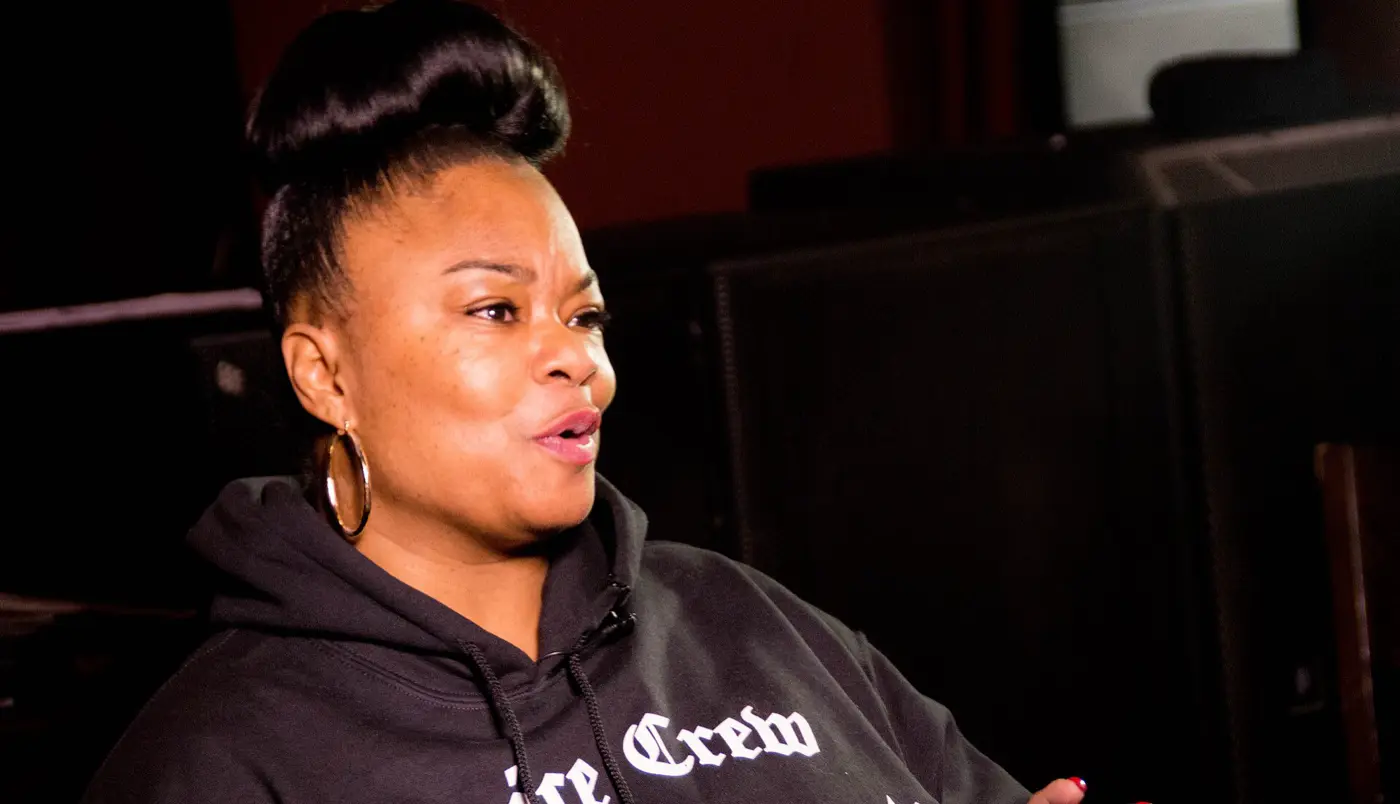
Getting rap on the air took a fight. Lady B asked again and again for airtime until broadcaster Mary Mason gave her a weekend show, and for the first years of the decade it was the city's main source of rap on the radio. Listeners remember taping it off the radio and living on that cassette until the next week.
WMOTDouble Dutch BusFrankie Smith1980
Record
"Double Dutch Bus" pulls up.
WMOT Records, Philadelphia
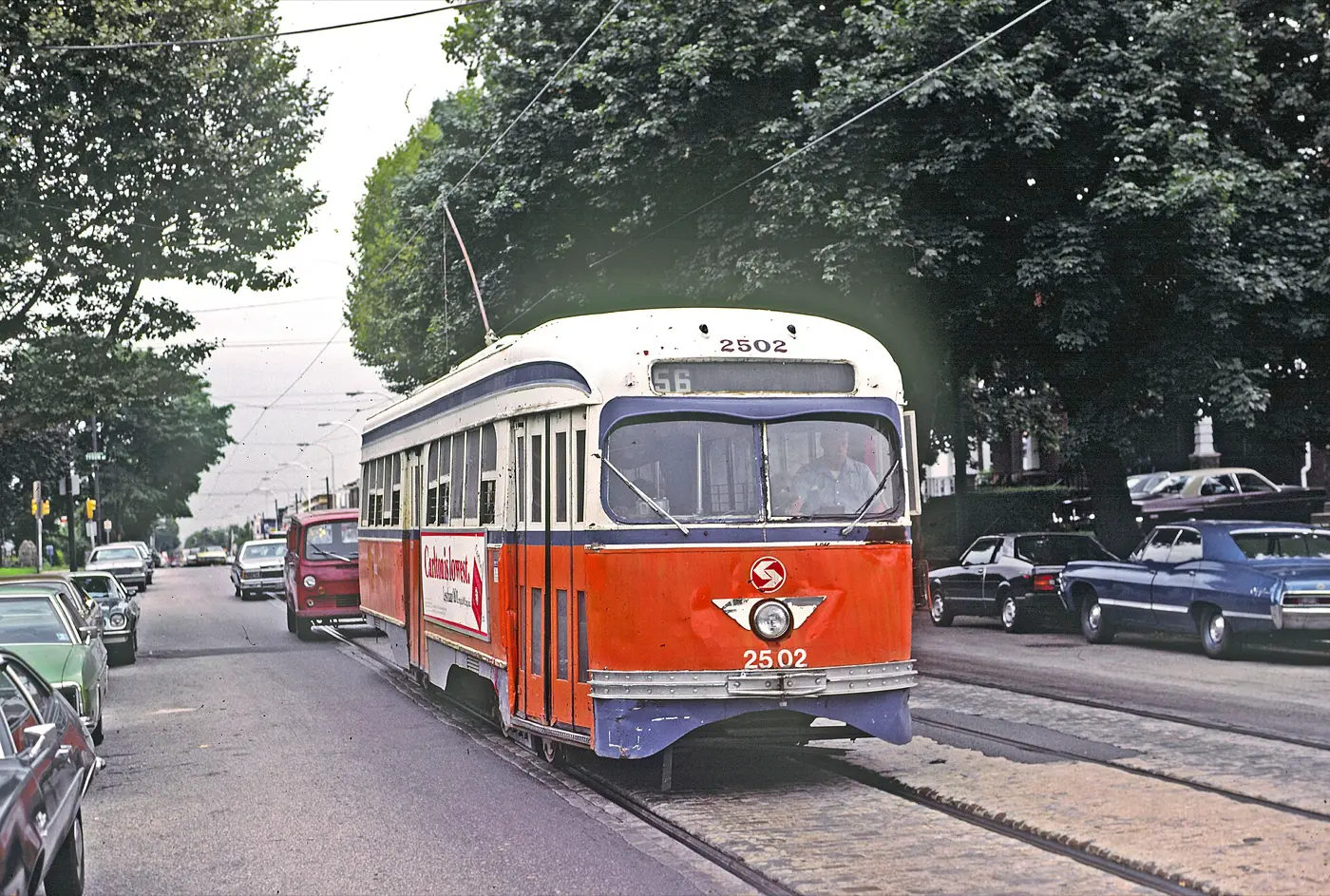
Frankie Smith's single on the Philadelphia label WMOT names the SEPTA TransPass, spreads the city's "-izz" slang across the country, and in 1981 spends four weeks at No. 1 on Billboard's soul chart.
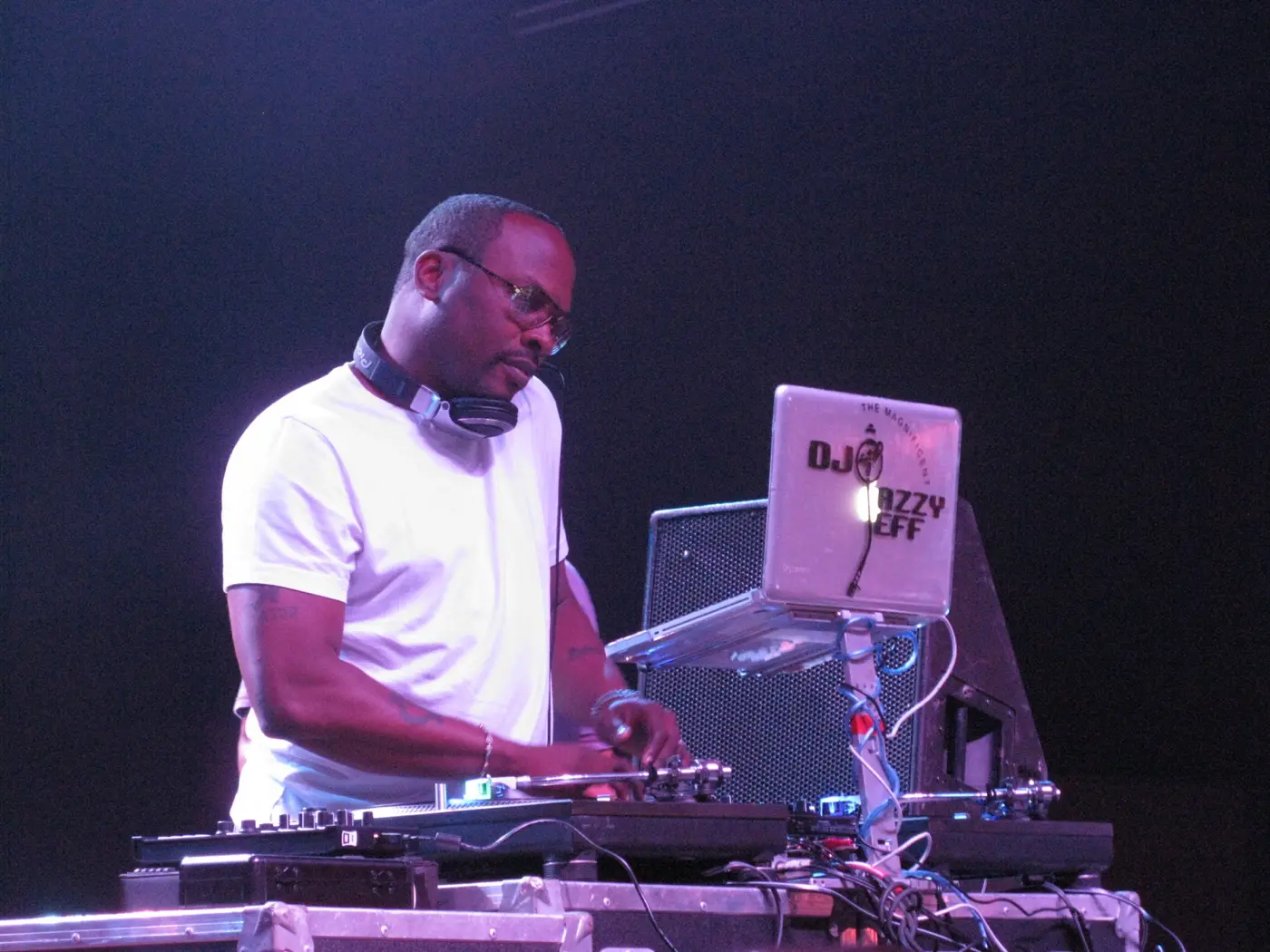
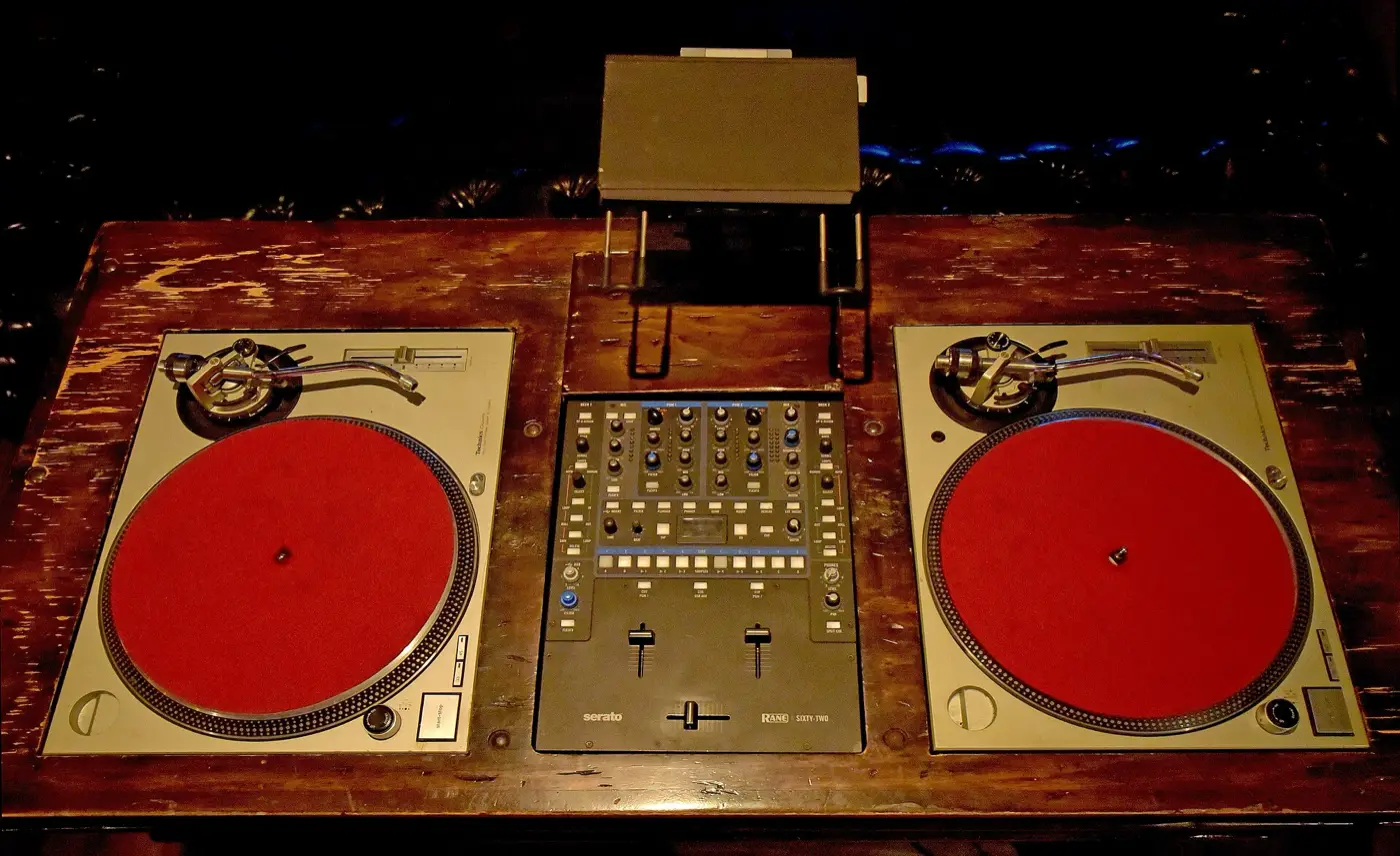
Ask anyone who was there and you\'ll hear it the same way: Philadelphia had the best DJs in hip hop. Philly DJs, Jazzy Jeff and Cash Money among them, are credited with developing the transformer scratch, the stuttering on-off cut that widened what a scratch could do. Then they went to New York and won: Jazzy Jeff took the New Music Seminar battle in 1986, and Cash Money took it in 1987 before winning the DMC World Championship in 1988.
Cosmic Kev
Lightning Rich
Grandmaster Nell
DJ Jazzy Jeff
DJ Cash Money
DJ Code Money
Grand Dragon KD
DJ Tat Money
DJ Too Tuff
Lady B
1984
1984
Roxanne
Radio
Street Beat on Power 99.
WUSL Power 99 FM
Power 99 signed on in January 1983 and passed WDAS in the ratings within months. In 1984 Lady B moves over from WHAT and starts Street Beat, one of the first regular hip hop shows on radio outside New York. Until 1989 it's where much of Philadelphia first hears Run-DMC, LL Cool J, Public Enemy and the city's own records.
The city
The Anti-Graffiti Network.
City Hall · January 1984
W. Wilson Goode, Philadelphia's first Black mayor, creates the Philadelphia Anti-Graffiti Network: a crackdown on spray paint paired with amnesty pledges and apprenticeships for writers. Cornbread himself is recruited. Muralist Jane Golden's work inside the network becomes the Mural Arts Project in 1986, and many writers become muralists.
Pop ArtRoxanne's RevengeRoxanne Shanté1984
Record · Label
Pop Art presses "Roxanne's Revenge."
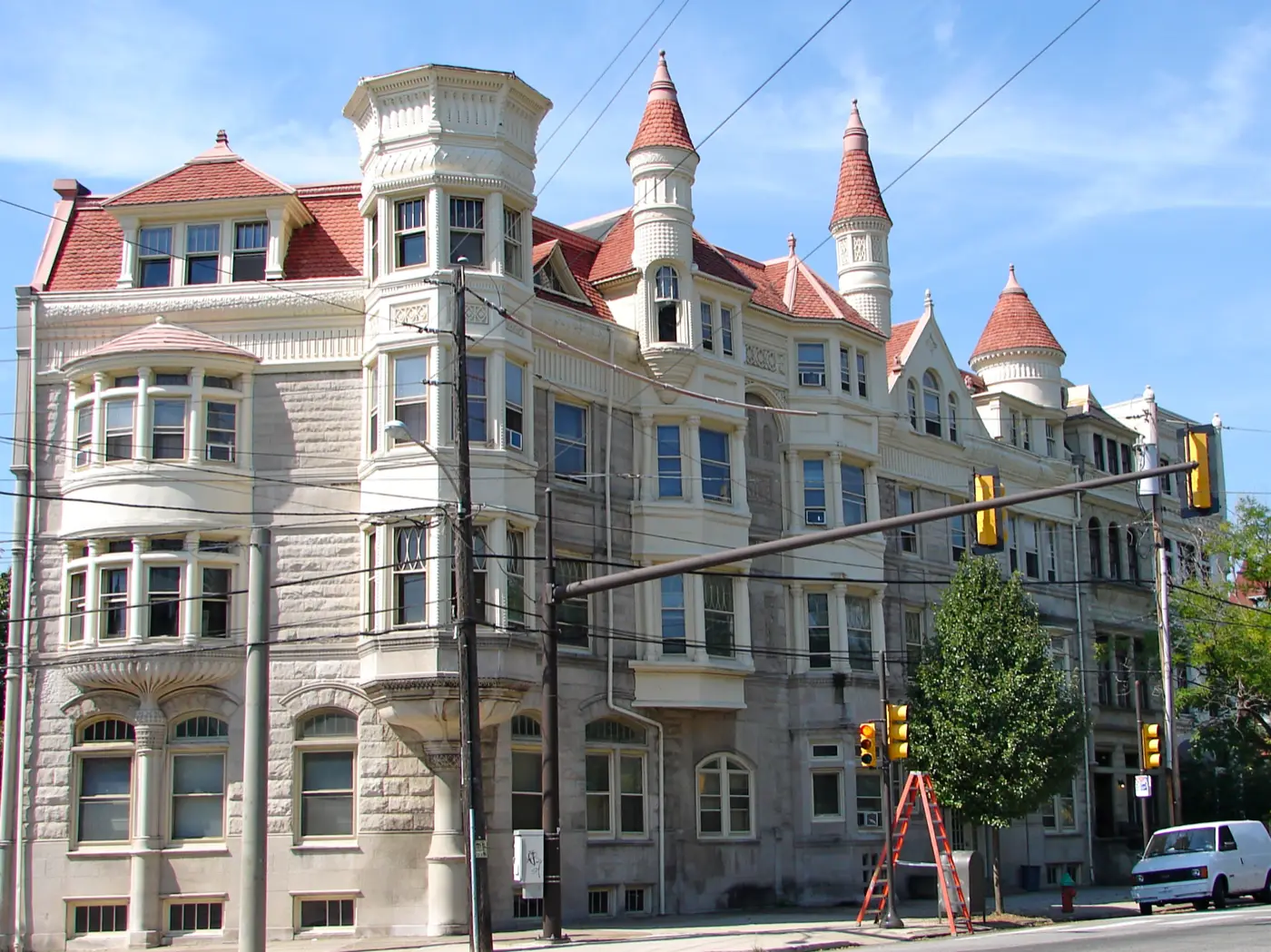
Pop Art Records, 5401 Race Street, West Philly
Lawrence Goodman's Pop Art Records puts out 14-year-old Roxanne Shanté's answer to UTFO, produced by Marley Marl. It reaches No. 22 on Billboard's R&B chart in 1985 and sets off the Roxanne Wars, with a West Philly label pressing New York's battle records.
Schoolly D produces his first single, "Gangster Boogie," and Philadelphia's Cut Masters label puts it out. It's raw, slow and local. A year later he starts his own label.
Schoolly-D RecordsP.S.K. What Does It Mean?Schoolly D1985
Record
P.S.K. changes the map.
Schoolly-D Records, 1314 Chestnut Street
Schoolly D and DJ Code Money put out "P.S.K. What Does It Mean?" on their own label. Built on a drum machine and heavy reverb, it names the Park Side Killers of 52nd and Parkside. It is widely cited as the first gangsta rap record: Ice-T has written that it was the model for his "6 in the Mornin\'," and Questlove has said Schoolly D invented the form.
In Schoolly D\'s own telling, the record showed rappers in Los Angeles, the South and the Midwest that they didn\'t have to sound like New York to be in the game.
Cheryl James and Sandra Denton answer Doug E. Fresh\'s "The Show" as Super Nature, and Pop Art puts out "The Show Stoppa." It reaches No. 46 on Billboard\'s R&B chart, and that September they sign to Next Plateau as Salt-N-Pepa. In 2025 the Rock and Roll Hall of Fame honored them.
Goodman builds a crew around Steady B, with DJs Grand Dragon KD and Tat Money. Pop Art puts out Steady B's first singles, "Just Call Us Def" with Roxanne Shanté among them, and the Hilltop Hustlers go on to bring Cool C and Three Times Dope.
A house party
Jeff meets Will.
West Philadelphia
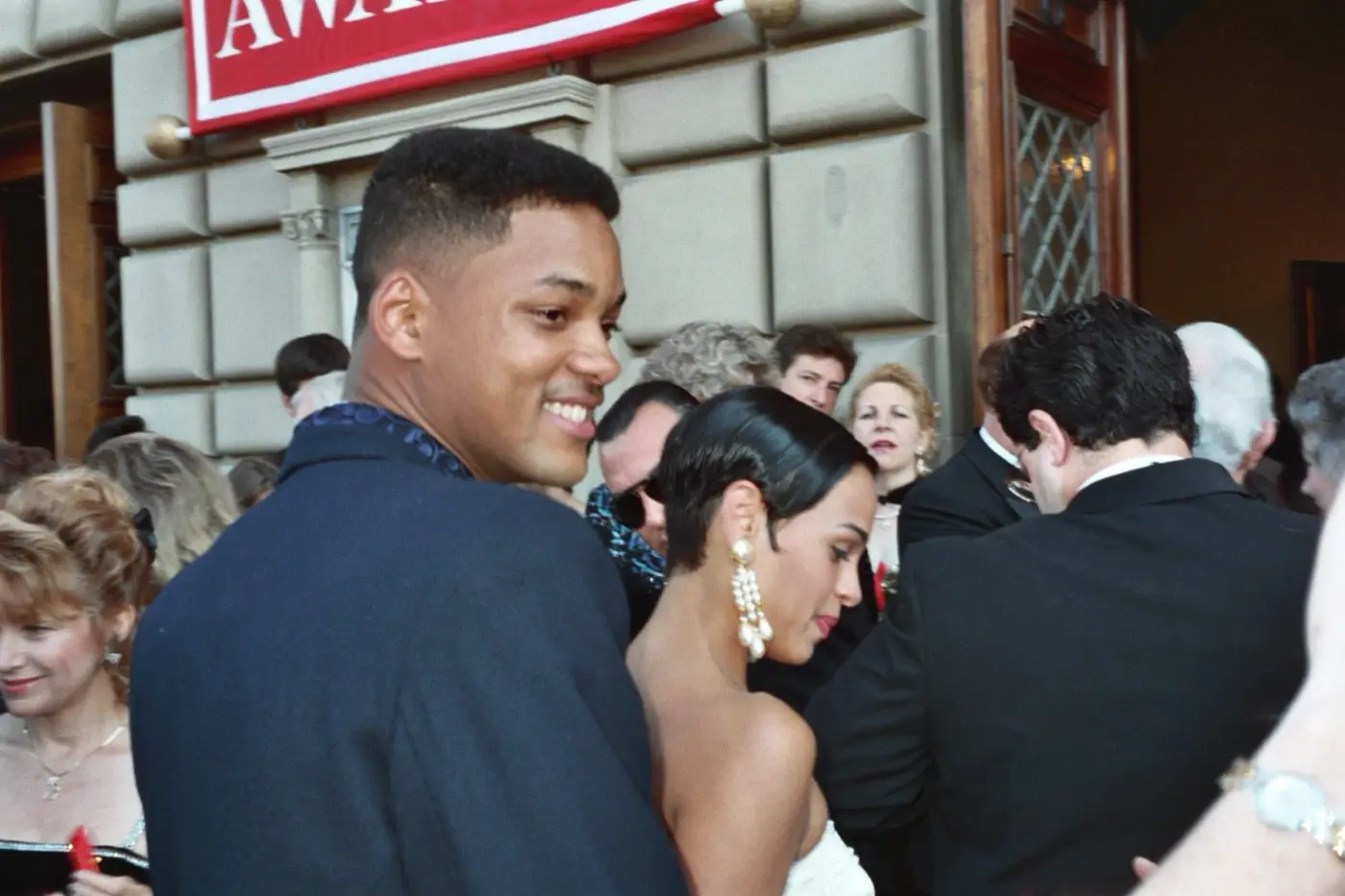
DJ Jazzy Jeff's hype man doesn't show for a house party a few doors from Will Smith's home. Smith fills in. The pairing that wins rap's first Grammy starts there.
The city
The MOVE bombing.
6221 Osage Avenue, Cobbs Creek · May 13, 1985
After a standoff and gunfire, police drop explosives from a helicopter onto the MOVE house in West Philadelphia, and the fire is left to burn. Eleven people die, five of them children, and 61 homes are destroyed, leaving about 250 people without a home. The city lives with it for decades.
West Philly
The West Philly line.
So much of the decade came from a few square miles. Ride it like a trolley route.
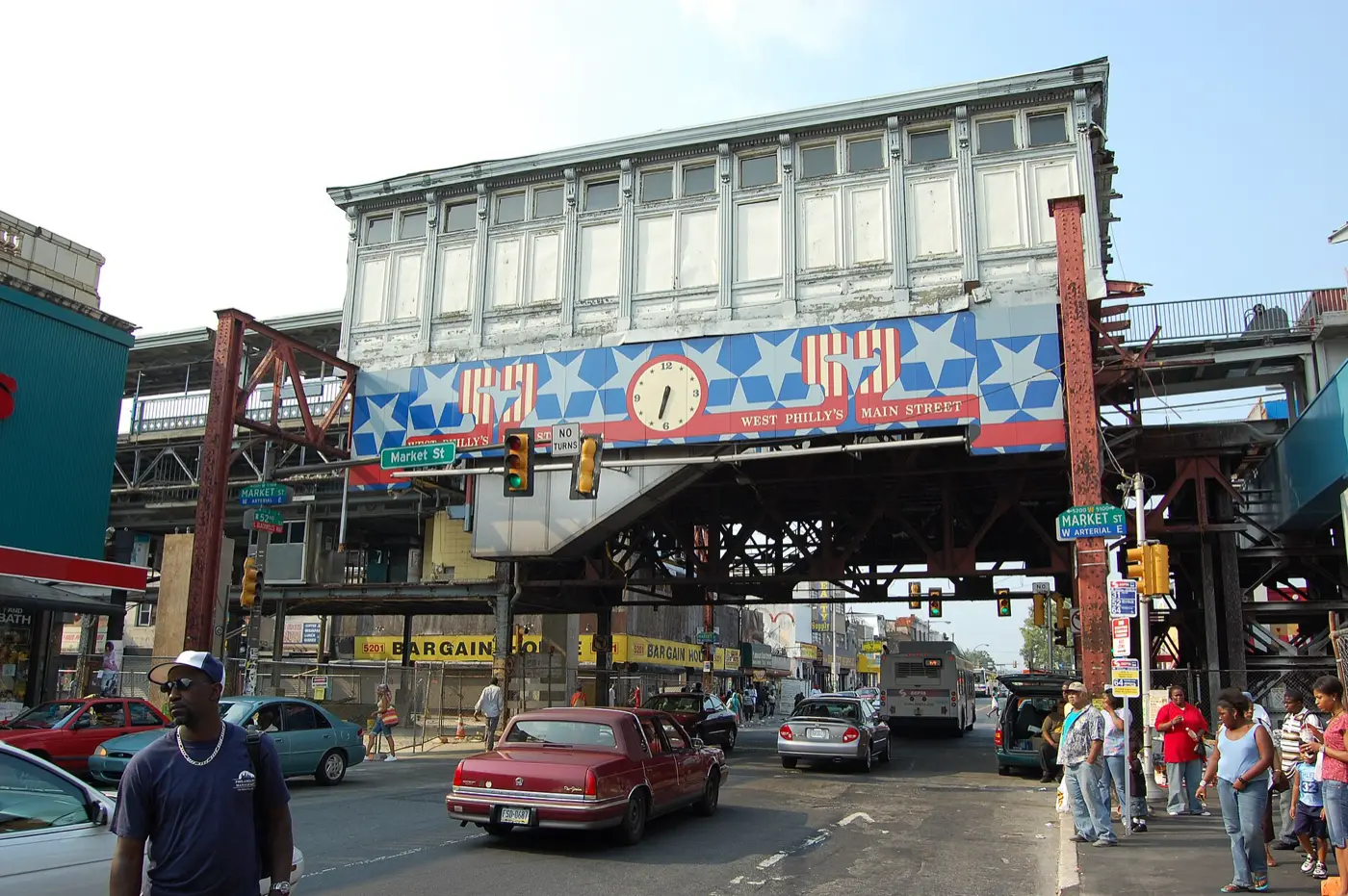
52nd & ParksideSchoolly D and DJ Code Money. P.S.K.
57th & RodmanJazzy Jeff's block, where he played his first block party.
5401 Race StPop Art Records' first address.
WynnefieldLady B and Will Smith's neighborhood.
Overbrook HighLady B's school, then Will Smith's, class of 1986.
Schematic, not to scale.
1986
1986
Jazzy Jeff
WordGirls Ain't Nothing But TroubleDJ Jazzy Jeff & The Fresh Prince1986
Record · Label
Jeff and Will's first single.
Word Records
"Girls Ain\'t Nothing But Trouble" is the first release on Word Records, the new label of Dana Goodman, Lawrence\'s brother. It hits a month before Will Smith graduates from Overbrook, and Lady B is the first DJ to play it.
In the late summer of 1986, DJ Jazzy Jeff beats Barry B and Cutmaster DC at the New Music Seminar battle. A Philly DJ beating New York in New York is the city's whole argument in one night.
Pop Art / JiveBring the Beat BackSteady B1986
Record
Steady B goes to Jive.
Studio 4
"Bring the Beat Back," produced by Lawrence Goodman and engineered by Joe "The Butcher" Nicolo at Studio 4, comes out on Pop Art and Jive. That summer Steady B and Grand Dragon KD play Wembley Arena in London.
After LL Cool J released "Dear Yvette," a 15-year-old Philly rapper called Yvette Money went straight at him with an answer record. That scrappy underdog attitude turned into a rivalry, and promoter Charlie Mack booked it into the city's biggest arena: New York acts, Salt-N-Pepa among them, against Philly's own, DJ Jazzy Jeff & The Fresh Prince among them. Philly proved it could hang with anyone.
Schoolly D RecordsSaturday Night!Schoolly D1986
Album
Saturday Night!
Schoolly D
Schoolly D\'s second album, recorded in New York and released on his own label, then picked up by Jive in 1987. It carries the P.S.K. sound out of West Philly for good.
The "Black on White" episode of the BBC and PBS series The Story of English comes to Philadelphia and finds the Scanner Boys, the North Philly popping crew whose members include a young Rennie Harris. Graffiti writers hit up a wall in their honor, and Philly rappers Parry P and Grand Tone freestyle for the camera. The program makes its point plainly: the streets are where the language gets made.
Street talk, 1986.
What the Scanner Boys taught the camera. Philly slang was already traveling.
Fresh
Good. Very good. Fresh-fresh is better.
Whack
Stupid, corny, not it.
Crib
Your house.
Down with
Part of the crew.
Bad
Good. "Good" means your move needs work.
Jonesing
Wanting something real bad.
Chill out
Cool out. Max out.
Check it out
Pay attention to what's going on.
1987
1987
Fresh Prince
Word-Up / JiveRock the HouseDJ Jazzy Jeff & The Fresh Prince1987
Album
Rock the House
Word-Up, then Jive
The duo's debut album, first on Dana Goodman's Word-Up and engineered by Joe Nicolo, goes national when Jive reissues it in the spring of 1987. It sells about 300,000 copies, and they tour with Run-DMC and Public Enemy. A Philly DJ's name is first on the cover.
Cool C's "Juice Crew Dis," aimed at Marley Marl's New York crew, is the first release on Hilltop Hustlers Records. The group that becomes Three Times Dope follows.
DJ Battle
Cash Money takes the Seminar.
New Music Seminar, New York
DJ Cash Money wins the New Music Seminar battle a year after Jazzy Jeff, and he and his partner Marvelous start putting out records on Sleeping Bag.
every sunday
Sundays at the Plateau.
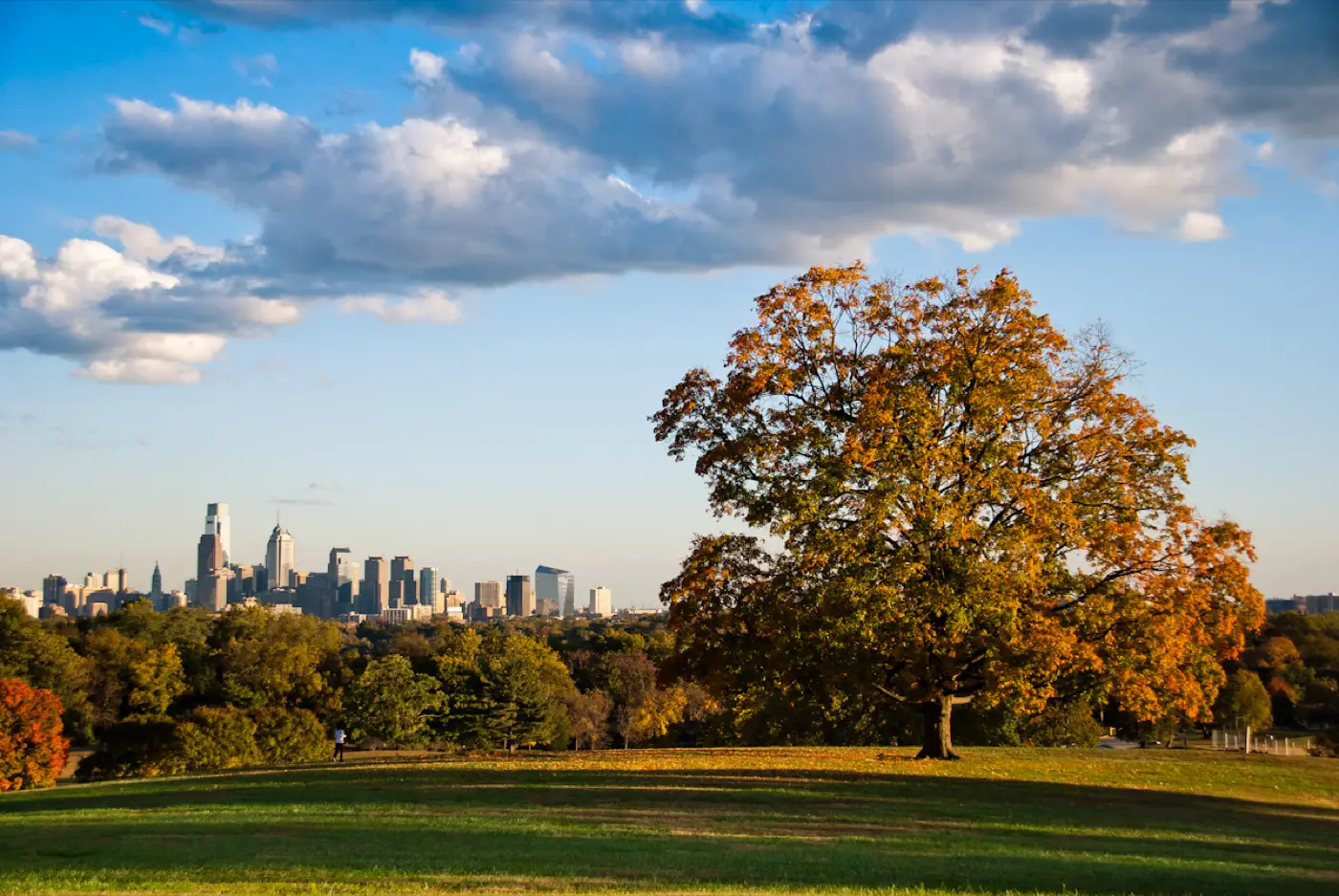
Belmont Plateau, up in West Fairmount Park, with the whole skyline laid out below it. On Sundays it was where everybody went. People came from South Philly, North Philly and Germantown, and it was where you found out about the fresh new DJ from West Philly.
Crews got there at eight or nine in the morning to claim a spot. The stage was the roof of the refreshment stand: DJs climbed up and spun for thousands. You wore brand-new sneakers, your Filas and your tracksuit, and you drove your cleanest car around the circle again and again. The people who were there remember it as nothing but love, laughter, clothes and hip hop.
In 1991 Jazzy Jeff & The Fresh Prince put the Plateau into "Summertime," and every car stereo in America rode the circle with them.
As remembered by people who were there, in interviews collected for the library. If you have photos or flyers from the Plateau, the archive wants them.
1988
1988
Cash Money
JiveParents Just Don't UnderstandDJ Jazzy Jeff & The Fresh Prince1988
Record
"Parents Just Don't Understand."
He's the DJ, I'm the Rapper
The title says the order out loud: DJ first. Recorded in London and at Studio 4 in Philadelphia, He's the DJ, I'm the Rapper reaches No. 4 on the Billboard 200 and goes triple platinum. "Parents Just Don't Understand" reaches No. 12 on the Hot 100.
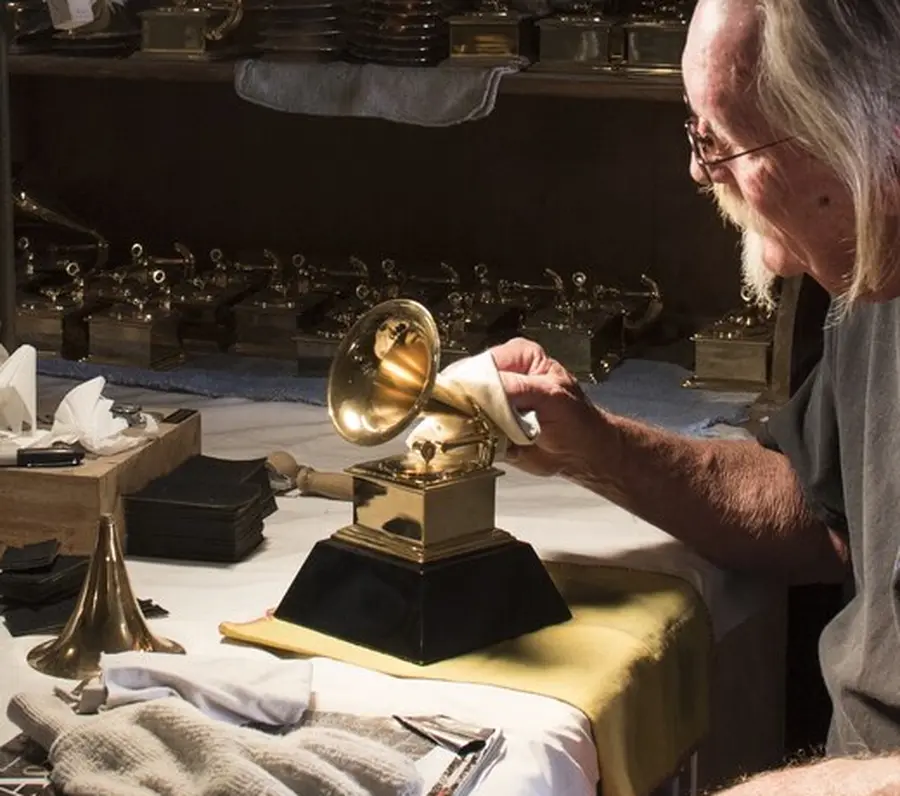
On February 22, 1989, "Parents Just Don't Understand" wins the first Grammy ever given for rap, beating LL Cool J, Salt-N-Pepa, Kool Moe Dee and J.J. Fad. The Academy won't put the category on the televised broadcast, so DJ Jazzy Jeff & The Fresh Prince boycott the ceremony, and other rap artists stand with them. The first rap Grammy is a Philly record, and Philly turns it into a protest.
AristaFunky DividendsThree Times Dope1989
Record
"Funky Dividends."
Original Stylin'
Three Times Dope's signature single, off Original Stylin', reaches No. 22 on Billboard's R&B and hip hop chart.
Philly producer Joe "The Butcher" Nicolo and Chris Schwartz launch Ruffhouse Records as a joint venture with Columbia. Over the next decade it signs Kris Kross, Cypress Hill and The Fugees. Philly doesn't always say it loud enough, but a lot of the 90s ran through this building.
Roll call.
More of the DJs, MCs and crews who made the decade. From the founder's own list of Philly names. Know someone we missed? Tell us.
DJs & radio
Cosmic AceCS
Crazy Dre
Cut Man Ran
Disco Babe
GQ GeorgeEbony Network parties (late '80s, early '90s)
In September 1990 The Fresh Prince of Bel-Air premieres, and a West Philly kid is on prime-time TV every week. The 90s belong to a band that started on Philly street corners.
Research and writing by Malachi Atkinson, MAVE Design
Sources & corrections
Show
Compiled from oral-history interviews with the people who were there and from published discographies. History told by the culture is argued about by the culture: if you remember it differently, or you have the flyer, the tape or the photo, tell us or add it to the archive.